


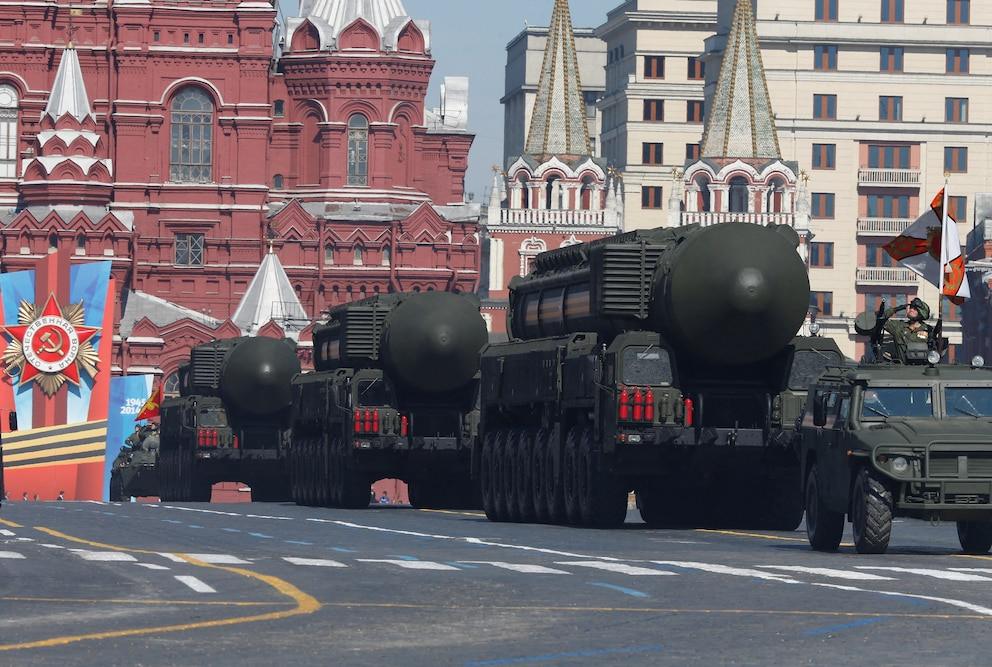
Russian Foreign Minister Sergei Lavrov warned this Sunday that Russia will respond with “all available means” if Europe “follows through on its threats” and attacks the country. In an interview with state television network NTV, the Russian Foreign Minister cited President Vladimir Putin to threaten a military escalation that would go beyond what the Kremlin calls a “special military operation” in Ukraine.
“If Europe suddenly follows through on its threats, prepares for war against us and launches an attack against the Russian Federation, then it will not be a special military operation, but a large-scale military response using all available means, in accordance with the relevant military doctrine documents,” Lavrov declared in the interview broadcast this Sunday.The expression “all available means” is a euphemism that in Moscow language includes the nuclear arsenal.
The threat occurs at a time of maximum tension between Russia and the West. Since the end of 2024, European leaders have multiplied warnings about possible Russian aggression against NATO countries.Atlantic Alliance Secretary General Mark Rutte warned in December that Russia could be ready to use military force against the organization within five years.German Defense Minister Boris Pistorius went further by stating that Europe “has already experienced its last summer of peace” and that Moscow could attack as early as 2028 or 2029.
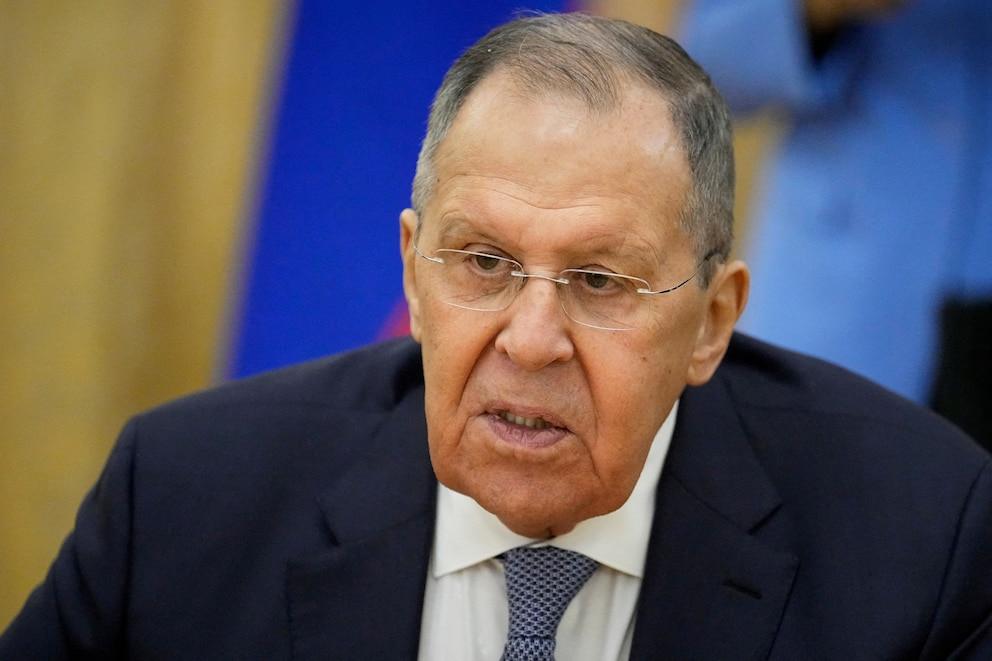
Lavrov insisted that Russia has “absolutely no intention” to attack Europe and that “it has no need for that.”However, these statements contrast with the reality of the large-scale invasion of Ukraine that Moscow launched in February 2022, after having supported the separatist militias in the east of the country since 2014.Russia illegally annexed Ukrainian territories in violation of international law and has launched systematic attacks against civilians and critical infrastructure.
The Kremlin’s rhetoric seeks to exploit divisions in NATO.Moscow’s threats are part of a psychological war aimed at undermining European cohesion and diverting attention from support for Ukraine.
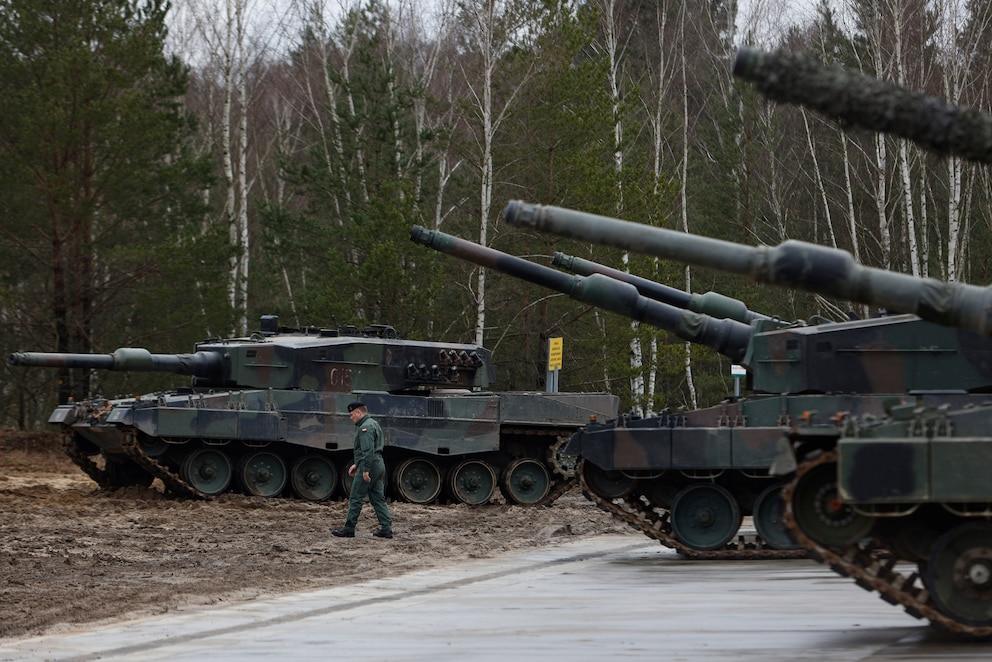
The%20context%20of%20%20statements%20of%20Lavrov%20is%20significant.%20In%20the%20%C3%Blast months,%20several%20pa%C3%ADses%20Europeans%20have%20accelerateddo%20su%20rearmament%20and%20reinstated%20the%20military service.%20Poland,%20the%20pa%C3%ADses%20b%C3%A1ltics%20and%20Germany%20have%20increased%20dram%C3%A1ticamind its%20spending%20on%20defense,%20with%20goals%20that%20reach%20the%205%%20of%20GDP.%20The%20Uni%C3%B3n%20Europeanaprob%C3%B3%20in%20December%20a%20pr%C3%A9we%20of%2090,000%20million%20of%20euros%20for%20Ukraine%20for2026%20and%202027,%20and%20is%C3%A1%20preparing%20new%20sanctions%20against%20Mosc%C3%BA.
At the same time, negotiations mediated by the Trump administration continue to reach a ceasefire in Ukraine.However, experts warn that Moscow seeks to impose its conditions, including territorial cession and political neutralization of kyiv.A report by the European University Institute published in December identified as a highly probable scenario a favorable agreement with Russia that would weaken European deterrence capacity.
The Russian minister’s threats add to a hybrid war campaign that includes sabotage against critical infrastructure, violations of European airspace with drones and military aircraft, cyberattacks and disinformation campaigns.NATO has documented Russian incursions into the territory of member countries and attacks against submarine cables and energy networks.
Russian military doctrine contemplates the use of nuclear weapons if there is an existential threat to the State.However, experts believe that Moscow uses this rhetoric mainly as an instrument of intimidation.The Kremlin seeks to divide NATO and curb Western support for Ukraine while maintaining military pressure on kyiv, where Russian forces continue to advance, albeit at a slow pace, in the east of the country.

