


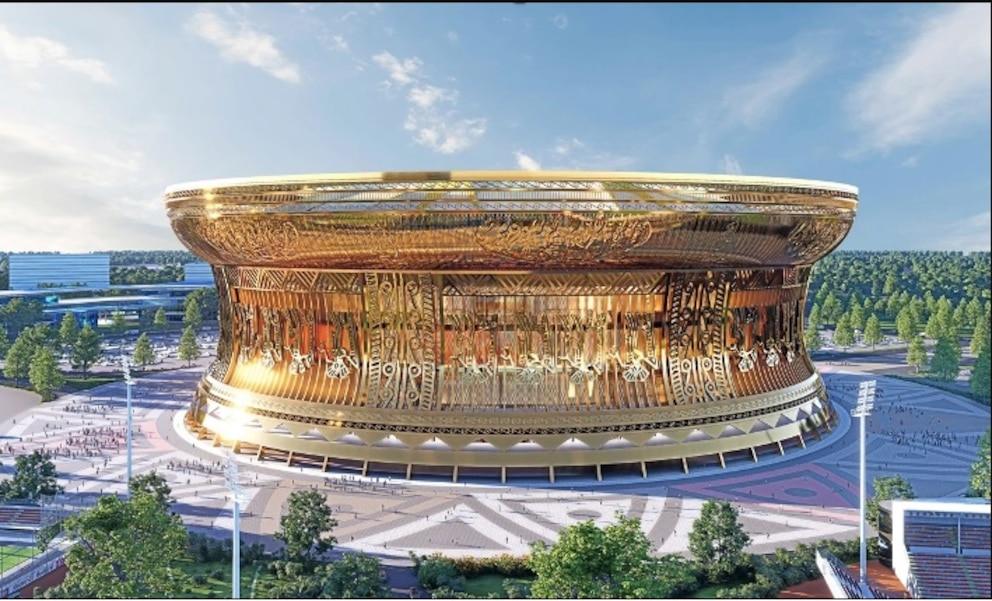
The city of Hanoi, in Vietnam, began construction of what will be the largest capacity soccer stadium on the planet, a venue that, according to the local government, will be able to accommodate 135,000 spectators and will serve as the epicenter of the future Olympic Sports City.The work, approved last December, is part of a large-scale urban and sports project whose budget amounts to 28 billion pounds sterling, about 38 billion dollars, according to information released by the official project site.
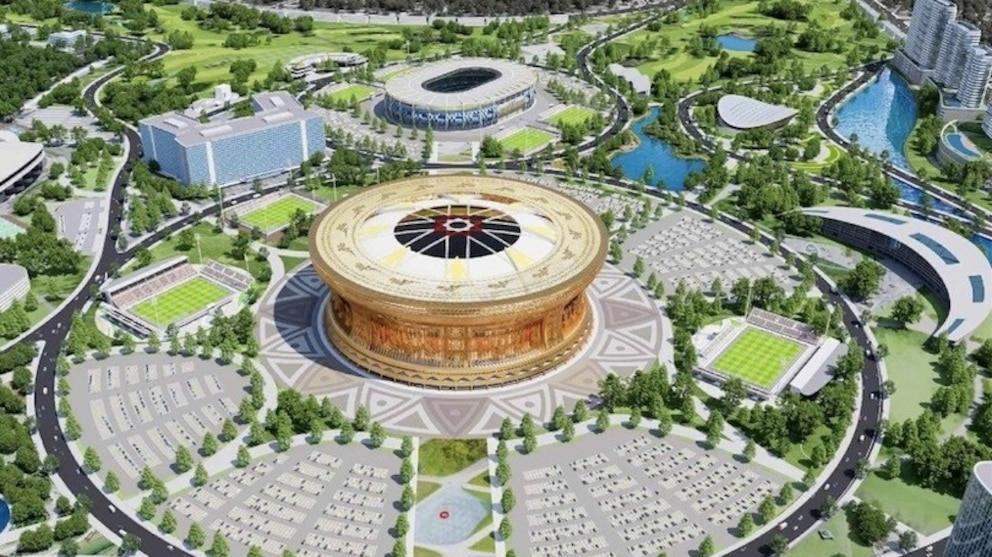
Trong Dong Stadium is emerging as the central structure of a complex divided into four zones, which will include new urban areas, additional sports facilities and an advanced transportation system.According to the organizers, the stadium will not only be the scene of international sporting events, but also aspires to become a reference for large-scale cultural and political activities.“Hanoi, the capital of the country, as a political, cultural and diplomatic center, has the responsibility to take the initiative in establishing sports institutions at the national level that meet the requirements of sustainable development and international integration,” reads the statement published on the stadium’s website.
The architectural design of the venue is inspired by the Dong Son bronze drums, a symbol of ancient Vietnamese civilization, which represents “the spirit of community, strength and longevity,” according to the architects responsible for the project.This choice seeks to combine Vietnam’s traditional cultural identity with modern and technologically advanced infrastructure.Those responsible explained that the intention is for the stadium to become “an architectural and cultural icon that represents Vietnam in the new era.”
The magnitude of the project places Trong Dong above other emblematic venues, such as the Rungrado 1st of May Stadium in North Korea, which has 114,000 seats, or the Hassan II Stadium in Morocco, under construction for the 2030 World Cup with a planned capacity of 115,000 spectators.The Vietnamese stadium will also exceed the capacity of historic facilities such as the Narendra Modi Stadium in India (132,000), the Michigan Stadium in the United States (107,601) and the Camp Nou in Spain (99,354), according to the comparative table published on trongdongstadium.com.
Among the announced features, the promoters highlighted that the place will have the largest retractable roof in the world, in addition to prioritizing the use of sustainable materials and energy efficient solutions.“The need for large-scale, integrated and internationally standardized sports facilities is becoming increasingly urgent, especially as the country aims to participate more deeply in regional and global sporting events,” the official document states.The planning and design have been carried out under the standards of international organizations such as FIFA, the Asian Olympic Council and the AFC.
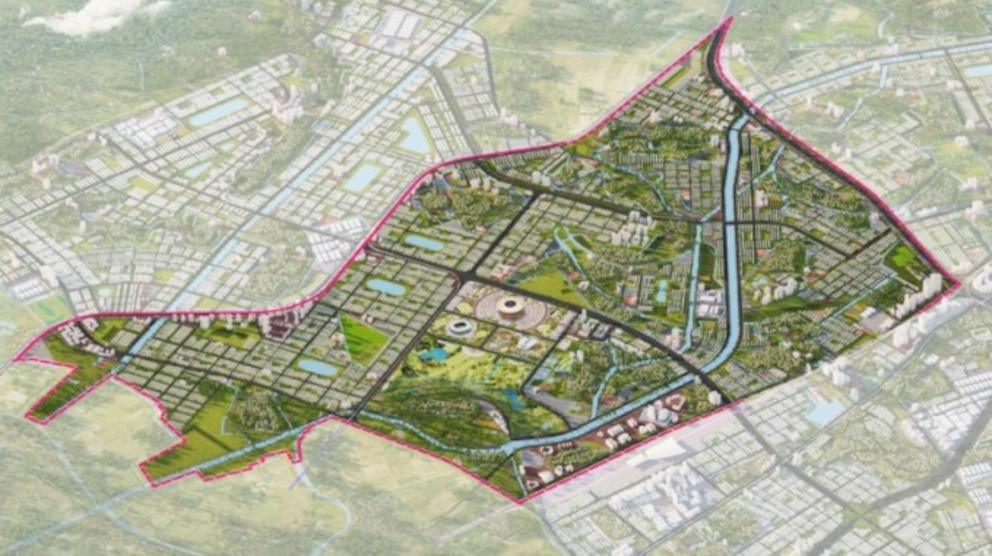
The opening ceremony was held in December, marking the start of construction. Organizers reported that the completion of the stadium is scheduled for August 2028, while the entire Olympic Sports City should be ready in 2035. The goal, according to authorities, is to provide Vietnam with an infrastructure capable of hosting “major international events, including the World Cup and the Olympic Games, as well as other continental events.”
The project also contemplates the integration of the stadium with the urban and regional transportation system, guaranteeing efficient access for attendees.“Trong Dong Stadium is being developed with a strategic vision, focusing not only on its purely sporting function, but also on becoming an architectural and cultural icon that represents Vietnam in the new era,” detailed the official site.
The expectation of the authorities and organizers is that the new infrastructure will boost economic, tourism and service development in the south of the capital.“The construction of a stadium of scale and quality comparable to those of global landmarks is considered a significant step in the roadmap to improve national infrastructure capacity and Vietnam’s position on the global sports map,” the institutional communication concluded.

