


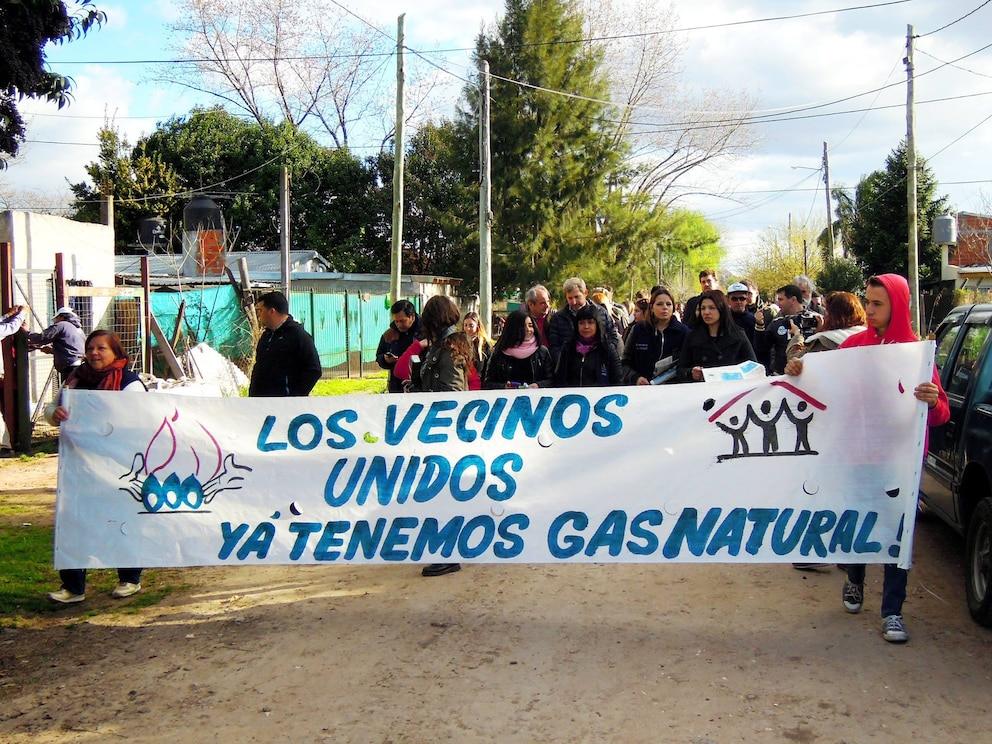
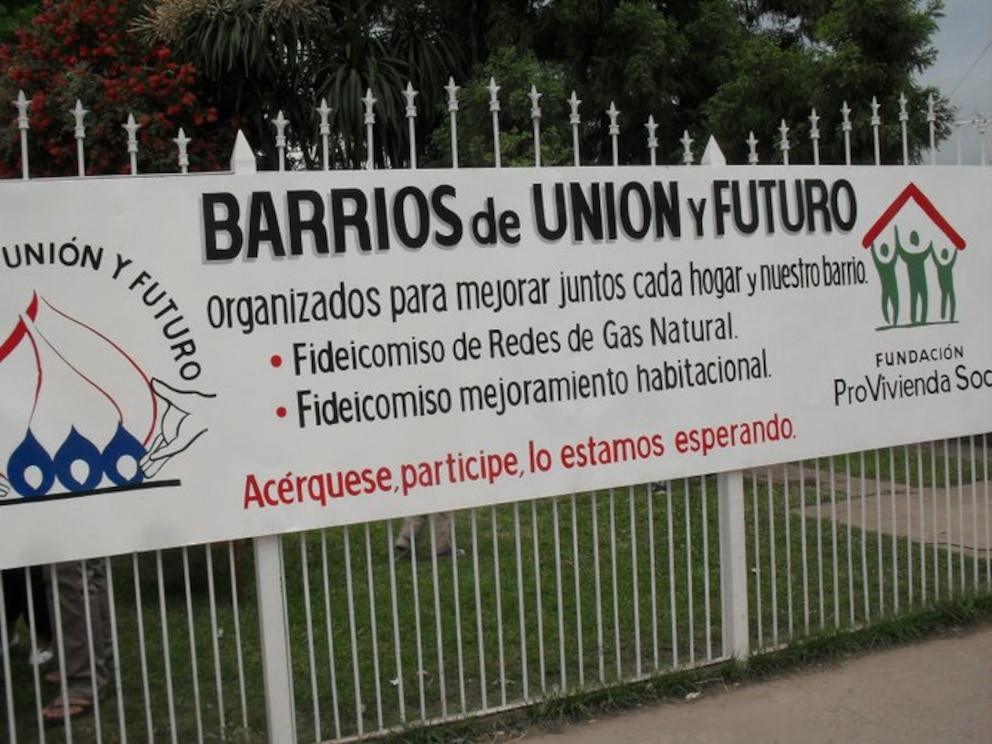
In 1992, the Social Housing Foundation began working on microcredits for the construction of homes in popular neighborhoods.At the end of that same decade, due to accumulated experience and demand from the families themselves, it turned to infrastructure issues: access to service networks.
Thus, for example, it participated in electrification plans in “Barrio 31” in Retiro and organized trusts for access to home gas for the residents of “Cuartel V”, a meganeighborhood in the Moreno district, bordering José C.Paz and south of Pilar, in the Buenos Aires suburbs.
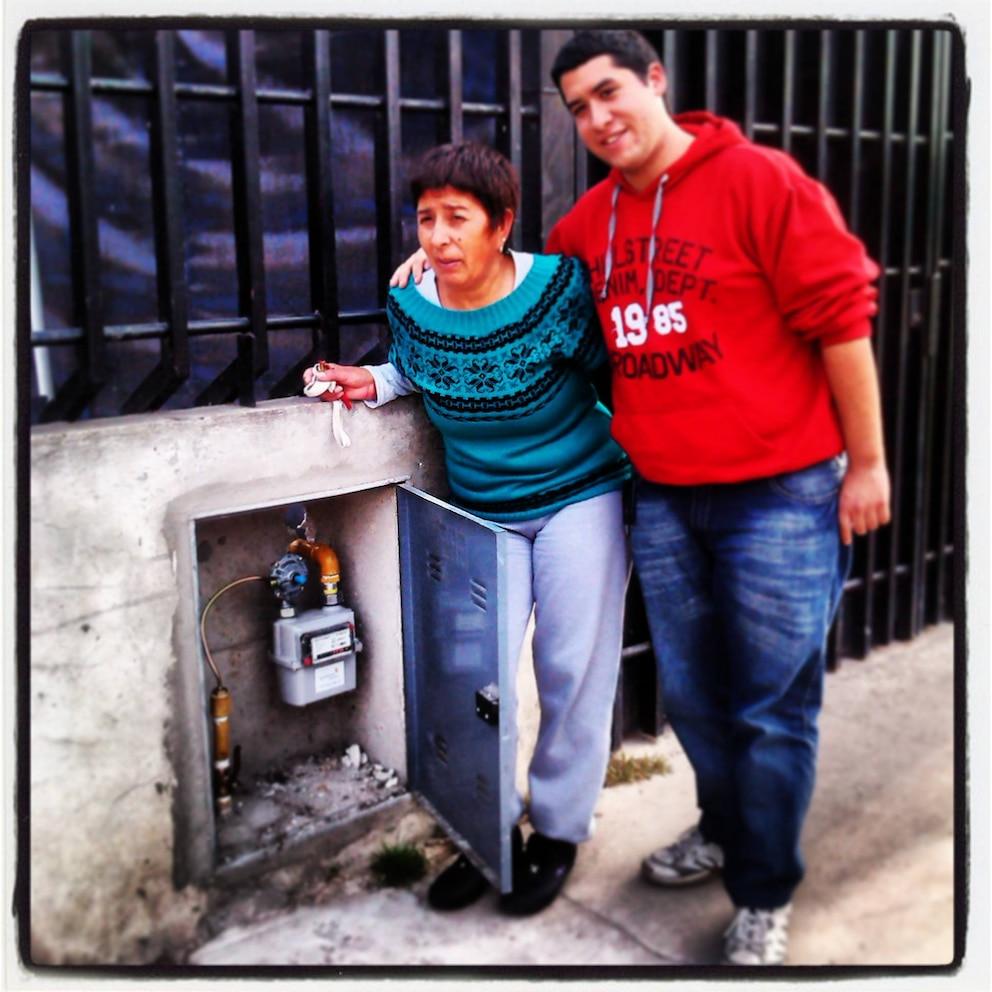
With the sewage networks more than 30 kilometers away, access to gas was prioritized, whose trunk network was only 2 kilometers away, said María Pazo, director of the Foundation.The gasification project benefited more than 10,000 families through neighborhood trusts, made possible thanks to the work and organization of the neighbors themselves.
In many cases, Pazo said, for the home connection tasks, the neighbors chose local gas companies, remunerated at the expense and order of the families through the trusts administered by the Foundation and funded with resources from Foncap, the Inter-American Development Bank (IDB) and other financial entities.
“The local gas workers worked as monotributistas, made the internal gas connections and were remunerated on behalf of and by order of the neighbors, with the Foundation as administrator of the trust,” Pazo stressed.
The neighbors were thus able to finance the connection works to their homes in up to 48 installments, in subsequent gas bills.
Despite this community model, a gas operator filed a lawsuit against the Foundation in 2016, alleging a “dependency relationship.”And he convinced other four gas workers to do the same, in addition to testifying in his lawsuit.
The%20trial%20se%20plante%C3%B3%20in%20CABAyalthough%20the%20demand%20original%20in%202016%20fue%20for%20$1.1%20million,%20the%20failure%20in%20second instance%20of%20the%20Room%20V%20of%20la%20C%C3%A1mara%20National%20of%20Appeals%20of%20Determinwork%C3%B3%20que%20la%20Fundaci%C3%B3n%20debit%20pay%20to%20gasman%20$184.6%20million,%20amount%20to%20queleg%C3%B3%20applying%20indexation%C3%B3n%20e%20interests%20and%20that%20exceeds%20in%2016.682%%20the%20demandoriginal%20and%20in%201,885%%20the%20amount%20without%20capitalizing,%20of%20$9.3%20million,%20sec%C3%BAn%20a%20failure%20the%20same%20C%C3%A1mar,%20sec%C3%BAn%20consists%20in%20the%20written%20ppresented%20by%20the%20Fundaci%C3%B3n%20to the%20Superior Court%20of%20Justice%20port%C3%B1o.
The priceless ruling by the NGO could be multiplied by the lawsuit of the other 4 gas workers, who testified in the first trial.
Only the first demand would be enough for the bankruptcy of the Foundation and – said María Pazo – it would be a very discouraging precedent for other NGOs and social work Foundations.The neighbors are outraged, he told Infobae.
In fact, in mid-December, dozens of neighbors and social organizations publicly requested the TSJ to revoke the ruling of the National Chamber of Labor, which they described as “arbitrary” and warned that if the ruling is upheld, not only would the Provivienda Social Foundation be closed, but the lack of an adequate labor framework for non-profit entities would be aggravated, due to “arbitrary and unfair” judicial interpretations.The request was supported by neighbors and community entities.
At trial, the Foundation presented the trust adhesion contracts, invoices from the gas workers and proof of payment for services to demonstrate the non-existence of an employment relationship.
The ruling of the Labor Chamber, says the director of the NGO, ignores the functioning of community models and, in particular, the figure of the trust, key in social plans.
Invoking rulings that recognize the Superior Court of Justice of CABA as the competent court in certain litigation, the Foundation presented an extraordinary appeal.
The brief alleges that the Chamber made an unconstitutional interpretation of Article 23 of the Labor Contract Law and that this interpretation “violates equality before the law, due process and the right to property,” means “dispossession” and “violates Articles 17 and 18 of the Constitution.”
The letter, which Infobae accessed, denounces, among other things:
In a key passage, the presentation states: “There is no valid evidence (…) that proves the dependency relationship of the actor with my client (…) nor does a decision contrary to a national law, based on repealed norms and that declares the unconstitutionality of two federal laws that have been constitutionally validated by Your Excellency, respect the due process.”
Is%C3%A1%20in%20play%20not%20only%20the%20existence%20of%20the%20Fundaci%C3%B3n,%20but%20a%20way%20of%20work%20ofother%20organizations%20that%20help%20in%20neighborhoods%20popular:%20m%C3%A1s%20de%2030%%20de%20connections%20to%20gas%20domestic%20in%20Moreno%20were%20made%20v%C3%ADa%20trusts,%20precis%C3%B3Mar%C3%ADa%20Pazo.
The labor ruling, he concluded, “puts a community development model at risk and discourages other habitat organizations from undertaking ambitious projects with neighbors, which would nullify 30 years of work.”

