


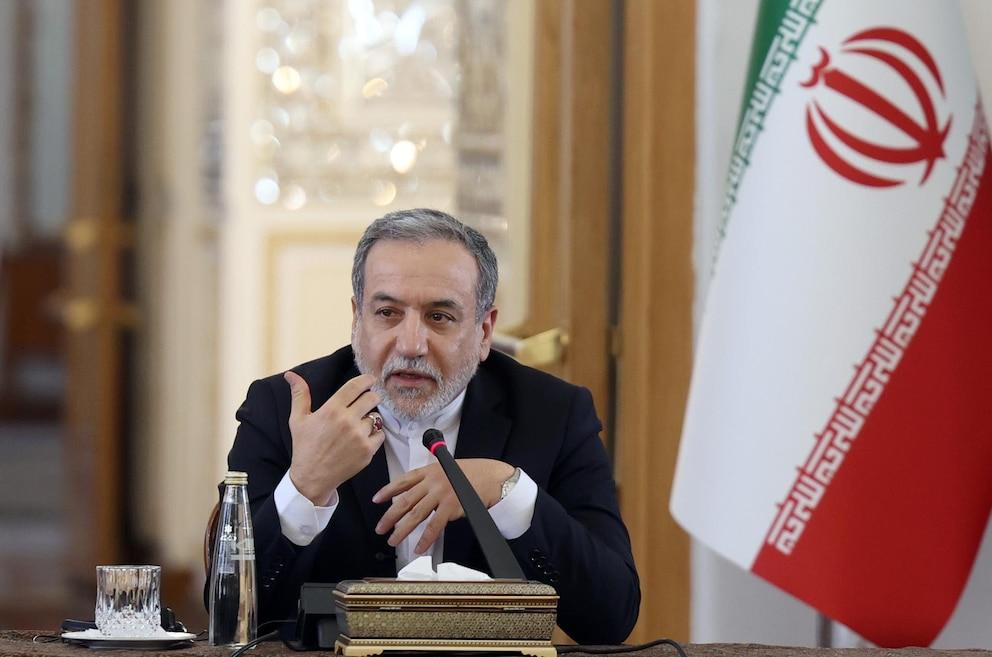
The Foreign Minister of the Iranian regime, Abbas Araqchi, declared that “zero uranium enrichment” is not part of the nuclear negotiations with the United States and ratified that Iran’s nuclear program will continue according to the country’s needs, without the enriched uranium leaving its territory.
“Zero percent enrichment is out of the scope of negotiations. The level of enrichment depends on our needs, and enriched uranium will not leave Iran,” Araqchi said in an interview with Al Jazeera in Doha, after resuming nuclear talks with the US in Muscat, Oman.
The head of Iranian diplomacy insisted that uranium enrichment is Iran’s right and “must continue,” although he expressed Tehran’s willingness to reach a “reassuring agreement” on the nuclear program.
Araqchi also stressed that Iran’s missile industry “will never be negotiable,” since it is a strictly defensive matter.
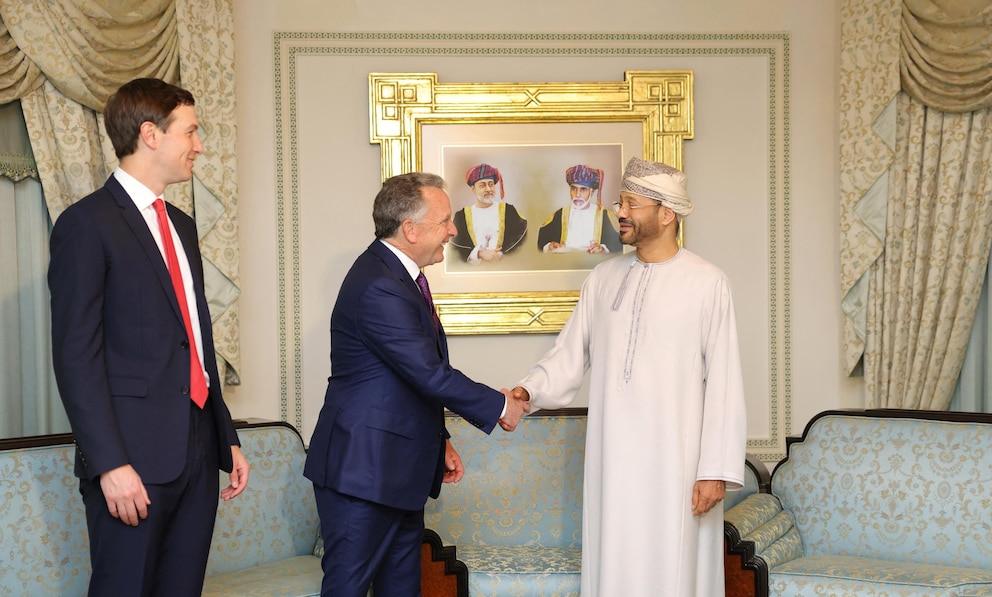
In this way, he once again rejected Washington’s demands for Tehran to limit its missile program, a condition raised for signing an agreement that covers the nuclear issue and the Islamic Republic’s support for regional groups such as Hezbollah in Lebanon, the Palestinians of Hamas and the Houthis in Yemen.
Hours earlier, United States President Donald Trump described Friday’s talks with Iran as “very good” and considered that an agreement focused solely on the Iranian nuclear program “would be acceptable.”
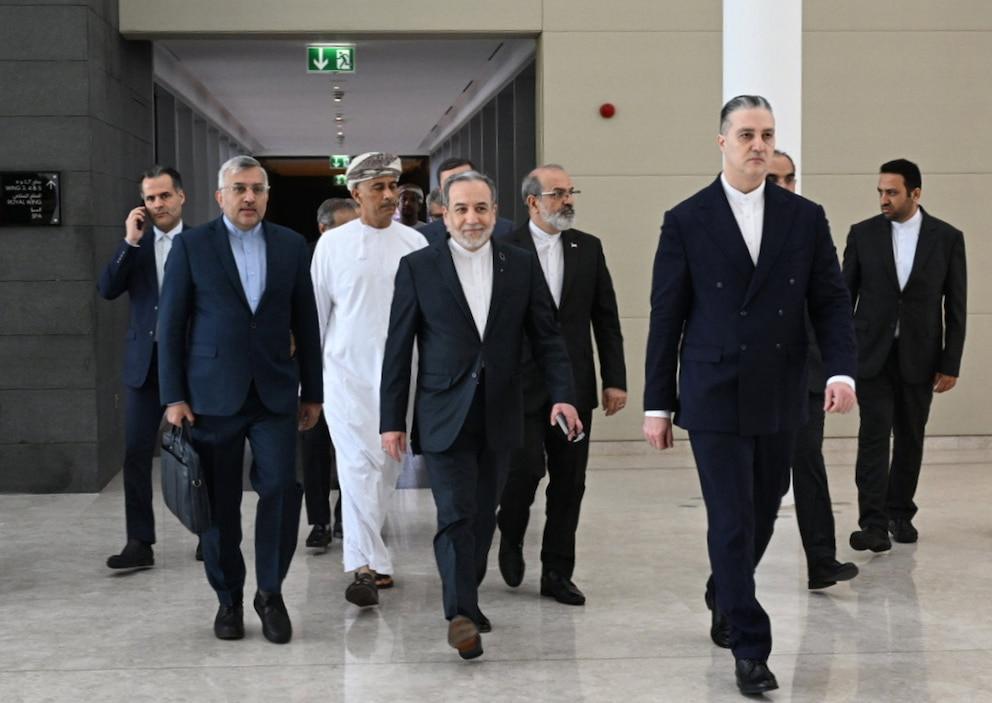
Tehran and Washington resumed nuclear dialogue in Muscat, after the US president threatened to intervene militarily in Iran if an agreement was not reached or the repression against protesters persisted.To do this, the United States deployed the aircraft carrier USS Abraham Lincoln and its battle group near Iranian waters in the Persian Gulf.
The negotiations are taking place in a context of deep crisis for the Islamic Republic, after the most violent protests since 1979, which took place in January.The country faces a serious economic crisis, social unrest, the worst drought in decades and shortages of electricity and gas.
The protests began in December due to the fall of the rial and spread with demands for the end of the Islamic Republic, concluding with a repression that Tehran estimates at 3,117 dead.
However, the opposition organization HRANA, based in the United States, raises the number of deaths to 6,955 and continues to verify more than 11,600 possible deaths, in addition to reporting 51,000 arrests.
The UN special rapporteur for Iran, Japanese Mai Sato, told US media that medical reports from Iran point to up to 20,000 deaths due to the repression.However, the United Nations warns that these figures remain difficult to verify.

