


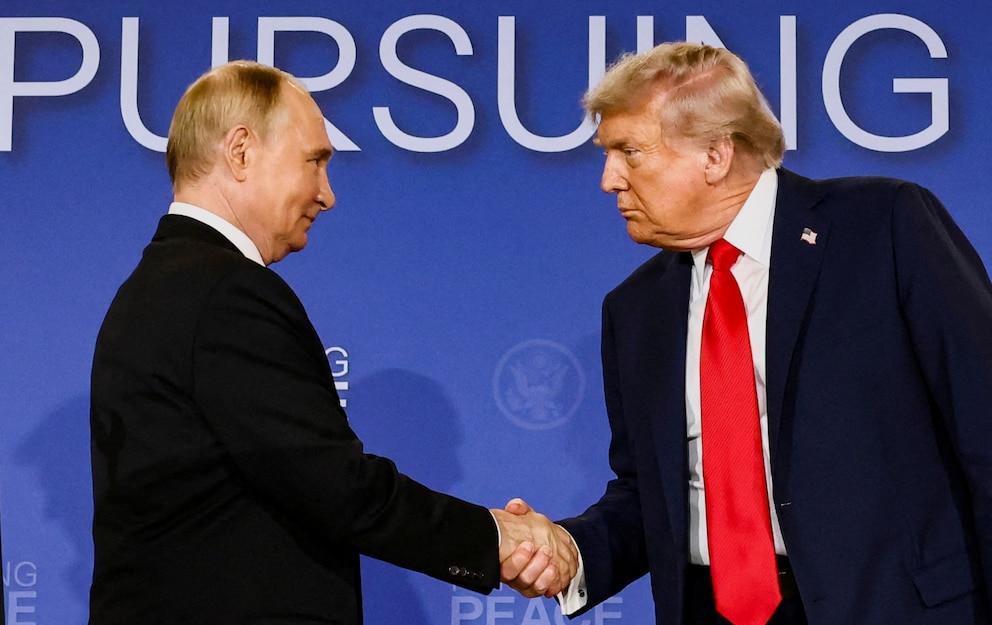
The United States urged Russia and China to begin negotiations to establish new limits on nuclear weapons, following the expiration on Thursday of the NewSTART treaty, which for more than a decade had regulated the arsenals of the two largest atomic powers.“Arms control can no longer be a bilateral issue between the United States and Russia,” said US Secretary of State Marco Rubio in an essay, who stressed the need to include other key actors in a future agreement, pointing especially to China.
The end of New START leaves the world without a treaty limiting the planet’s most destructive weapons for the first time in more than half a century.Under its provisions, both countries could deploy up to 1,550 nuclear warheads each and were subject to mutual inspections, although these were suspended in 2020 and have not been resumed.US officials warned that the absence of restrictions fosters the risk of a new arms race, while President Donald Trump rejected the treaty extension proposed by Russian President Vladimir Putin, calling instead for negotiating a “new, improved and modernized treaty.”
At the UN Disarmament Conference in Geneva, Undersecretary of State for Arms Control Thomas DiNanno said that “Russia’s repeated violations, the growth of arsenals around the world, and failures in the design and implementation of New START give the United States a clear imperative to call for a new architecture that addresses today’s threats.” DiNanno accused China of lacking limits, transparency and control in its nuclear arsenal, and theresponsible for having carried out covert tests, in addition to predicting that it will exceed 1,000 nuclear warheads by 2030.
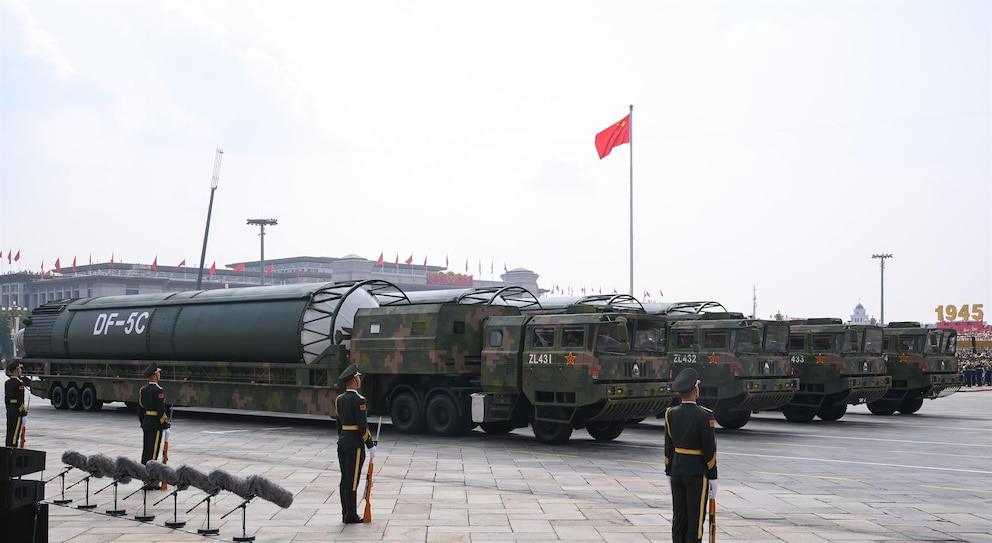
Despite American pressure, the Chinese deputy representative to the UN in Geneva, Shen Jian, maintained that “China’s nuclear capabilities are far from the level of those of the United States or Russia” and reiterated that “China would not participate in nuclear disarmament negotiations at this stage.”Shen rejected accusations of covert nuclear testing and called the allegations “false and baseless narratives,” adding that the criticism seeks to deflect U.S. responsibility for disarmament.
For its part, Russia indicated that any new dialogue should include other states with nuclear weapons, such as the United Kingdom and France, a position that was reiterated by the delegations of both countries.The British ambassador, David Riley, assured that the United Kingdom maintains a “minimal nuclear deterrent,” while the French ambassador, Anne Lazar-Sury, advocated that all states with nuclear weapons adopt measures to reduce the risk of using these arsenals.
The Kremlin reported that Russian and American negotiators discussed the situation after the expiration of the treaty in Abu Dhabi, where they also discussed Ukraine.“Both sides understand the need to start negotiations as soon as possible,” said spokesman Dmitry Peskov, who ruled out the possibility of an informal extension of New START.
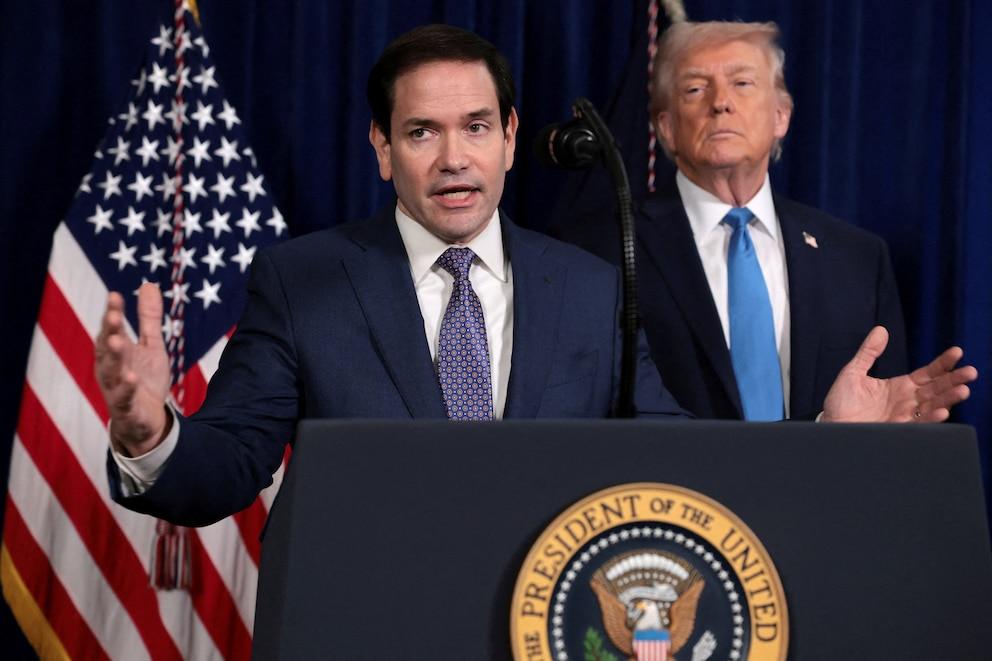
China’s nuclear arsenal is growing at an unprecedented rate, increasing by about 100 warheads annually from 2023, according to the Stockholm International Peace Research Institute.The United States maintains that since 2020 China has tripled its number of nuclear weapons, currently exceeding 600 and projecting more than 1,000 by the end of the decade.Rubio emphasized that any new agreement must reflect that Washington could face “not one, but two nuclear peers: Russia and China.”
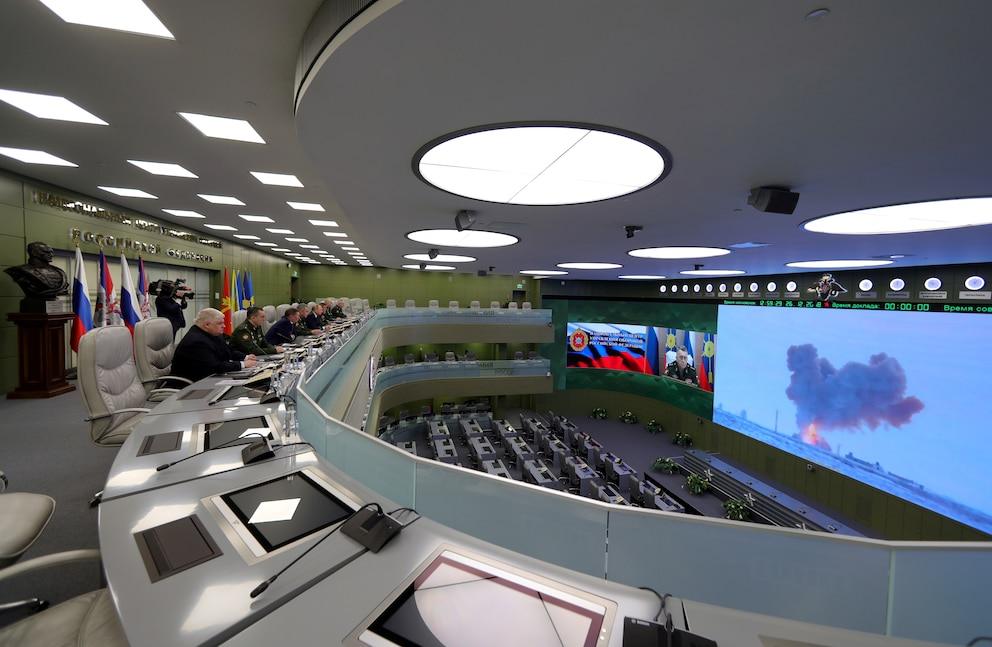
The US government insisted that it will maintain a robust, credible and modernized nuclear deterrent, always negotiating “from a position of strength” and without accepting terms that harm its security or ignore previous non-compliance.Despite the increase in tensions, the United States and Russia agreed to restore high-level military dialogue, interrupted since 2021, after a meeting between officials from both countries in Abu Dhabi.
(With information from AFP, Europa Press and AP)

