


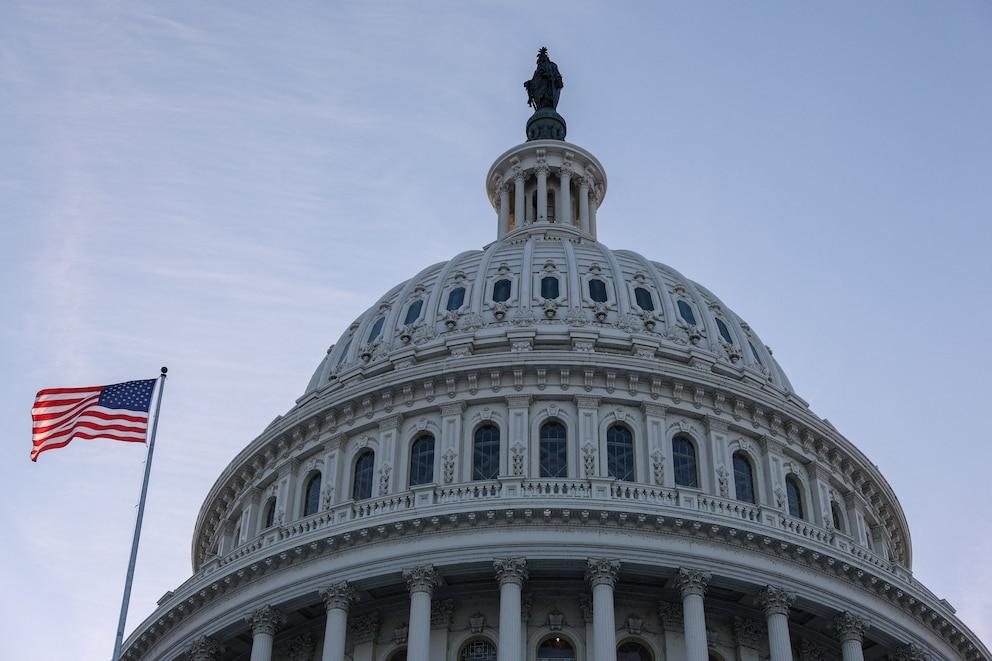
The United States Congress entered its third day of partial government shutdown this Monday without a defined agreement to resume federal funding, in the midst of an unstable negotiation between Republicans and Democrats that revolves around the budget of the Department of Homeland Security (DHS).
The president of the House of Representatives, Republican Mike Johnson, stated on Sunday that he is confident that the situation can be resolved in the coming hours.
“We are going to be able to resolve all this between now and Tuesday, I am convinced,” he declared, while describing as a “formality” the vote planned in plenary to approve the text that would allow the federal government to reopen.
However, parliamentary arithmetic leaves the Republican leadership with an extremely narrow margin.This Monday a new Democratic legislator joins after a partial election in Texas, which further narrows the official majority and forces Johnson to lose practically no votes within his own bloc.
The fragility of the agreement is explained by the resistance of a group of Republican legislators from the ultra-conservative wing, who warned that they will not support any project that includes changes in the financing and operating conditions of the DHS.For this sector, reopening the negotiation on that department means giving in to the demands of the opposition.
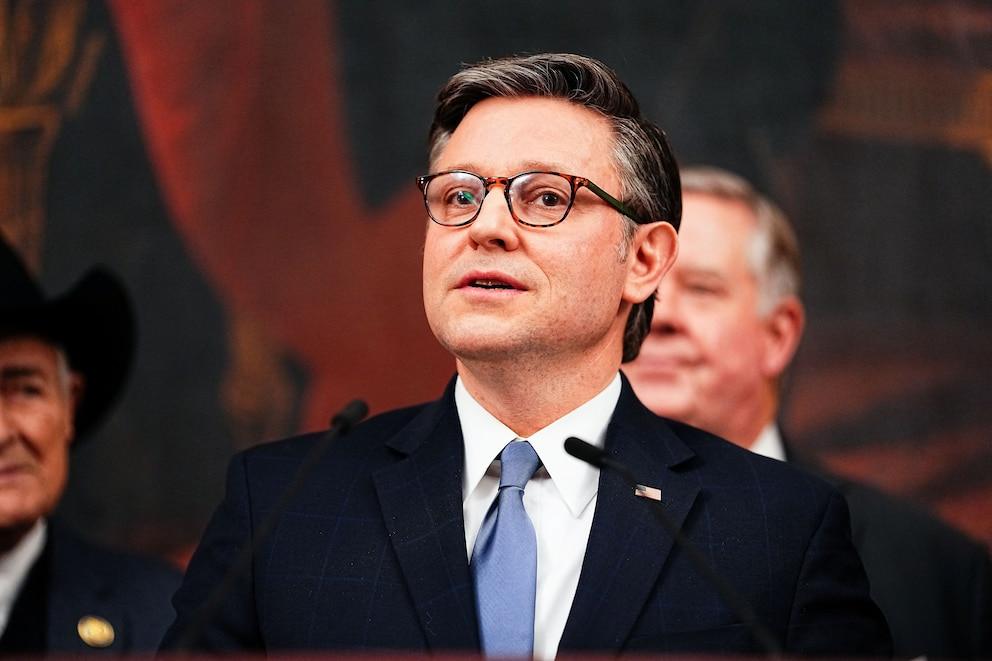
From the Republican Party, reproaches against the Democrats also multiplied.Congressman Chip Roy of Texas argued that “Democrats are playing political games” and accused them of holding the Department of Homeland Security “hostage,” referring to the stalled talks.
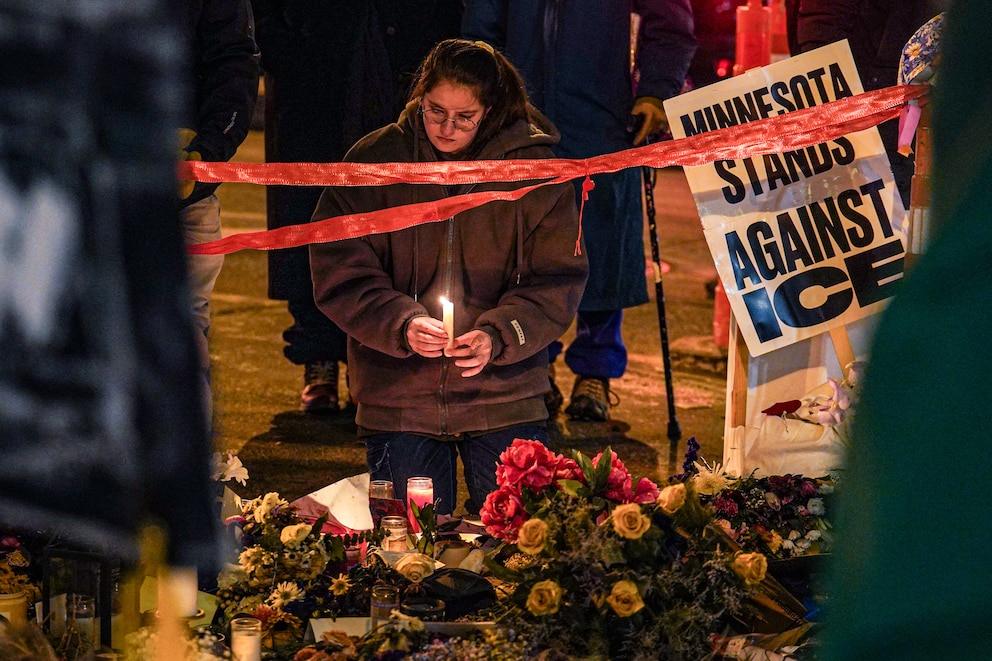
The core of the disagreement focuses on the reforms required for the operations of federal immigration agencies, particularly the Immigration and Customs Enforcement Service (ICE), dependent on DHS.Political pressure intensified after the death of two people during federal operations in the city of Minneapolis, which occurred in less than a month.
At the end of January, Alex Pretti, a 37-year-old American nurse, was shot dead by federal agents in the context of demonstrations against the presence of immigration forces.Weeks earlier, Renee Good had also died after being shot during a federal proceeding in the same city.
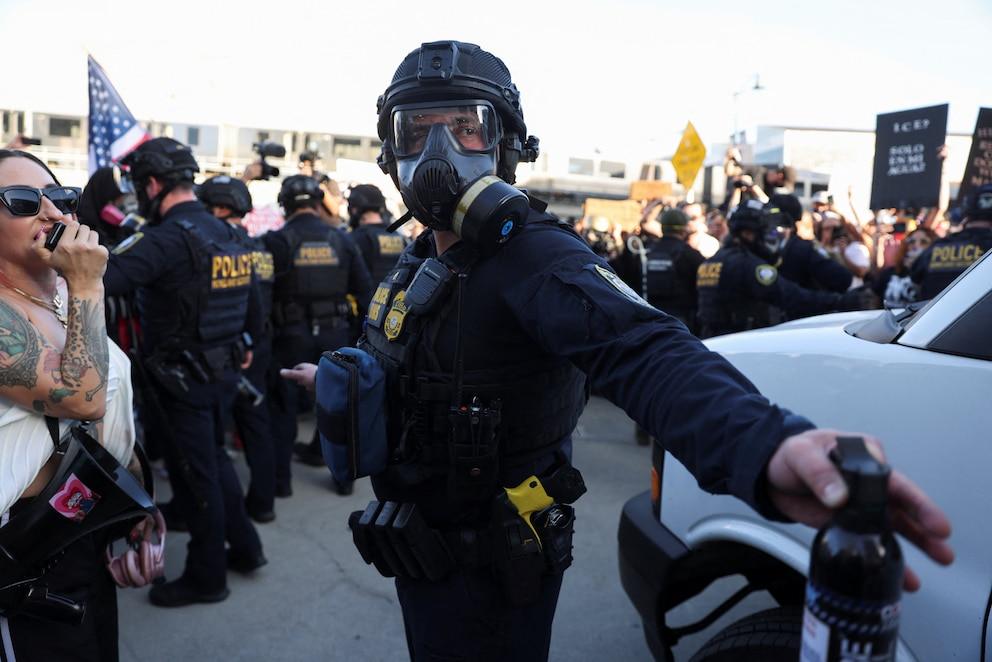
Based on these events, Democrats announced that they will not support any DHS funding project if a package of mandatory reforms for federal agents is not approved.Among the main demands are the systematic use of body cameras, the prohibition of covering the face during operations and the obligation to have a court order before carrying out an arrest of a migrant.
The Democratic minority leader in the House of Representatives, HakeemJeffries, argued that the government cannot limit itself to general political commitments.
“You cannot be satisfied with words,” he stated, and demanded that the required measures come into force immediately as a condition to unblock the negotiation.
In the Republican bloc there is partial support for some of these demands. Several legislators recognize that the use of body cameras is already widespread and does not generate major objections.However, they oppose the ban on the use of balaclavas or other face coverings, arguing that federal agents are frequent targets of identification campaigns and the dissemination of personal data by activists.
They also reject the requirement of court orders for all arrests, pointing out that, according to current legislation, these are mandatory for searches of homes, but not for arrests made on public roads.
The lack of consensus left a transitional scheme previously approved by the Senate, which includes five funding bills to cover most federal agencies through September and a two-week provisional extension for DHS, on hold while negotiations on immigration policy continue.
Faced with the risk of his own bloc fracturing the vote, Johnson recognized the need to build support outside his party.
“We need good faith on both sides,” he said Sunday.
Although the government shutdown has already accumulated three days, for the moment an immediate impact comparable to that of the prolonged budget paralysis registered at the end of last year is not expected.During that episode, which lasted more than six weeks, hundreds of thousands of federal employees were sent on unpaid leave, while others had to continue working without pay until the administration reopened.
(With information from EFE and AFP)

