


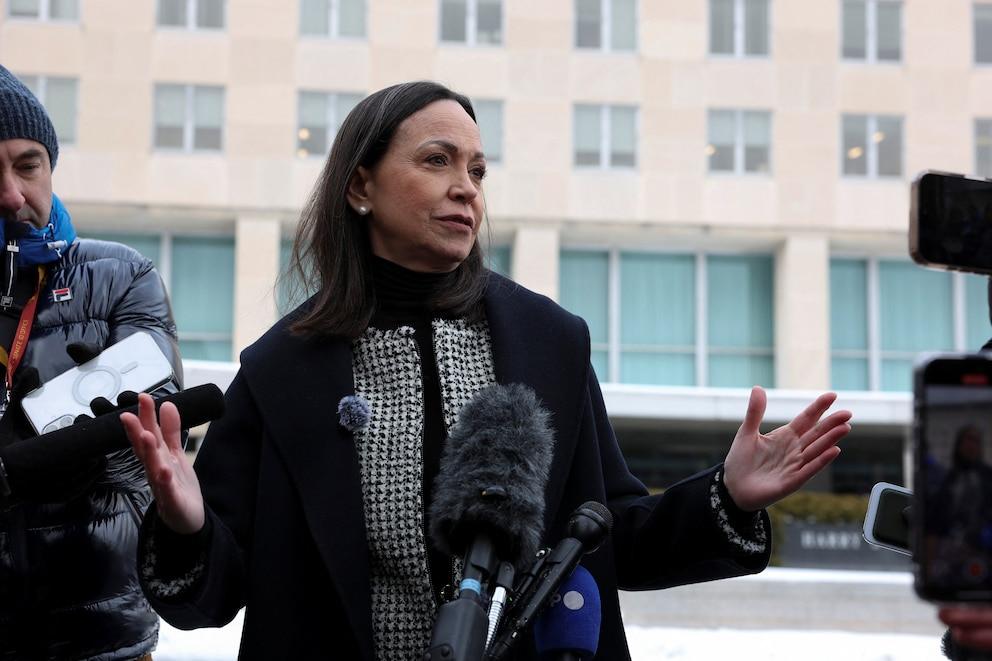
María Corina Machado left her meeting with US Secretary of State Marco Rubio this Wednesday with a strong message: Venezuela requires a complete democratic transition that leaves no room for Chavista power structures to be perpetuated.The meeting, held at the headquarters of the State Department in Washington, occurred after Rubio appeared before the Senate to outline the Trump administration’s strategy towards the South American country after the capture of Nicolás Maduro on January 3.
In statements to the press, Machado avoided directly answering whether she would be willing to be part of a transitional government with Delcy Rodríguez, who assumed power after Maduro’s arrest.However, he made his position clear by emphasizing that he works to facilitate “a real transition” and that his objectives are to restore the institutions that guarantee justice and the reunion of Venezuelans, but not the stability of “a sector of the regime in power.”
“We are willing and are working to facilitate a real transition. This is not a Russian transition where the mafias remain in power,” declared Machado, using an analogy with the post-Soviet process that he considers failed.The opponent stressed that her objective is to restore the institutions that guarantee justice and the reunion of Venezuelans, but not the stability of sectors committed to the previous regime.
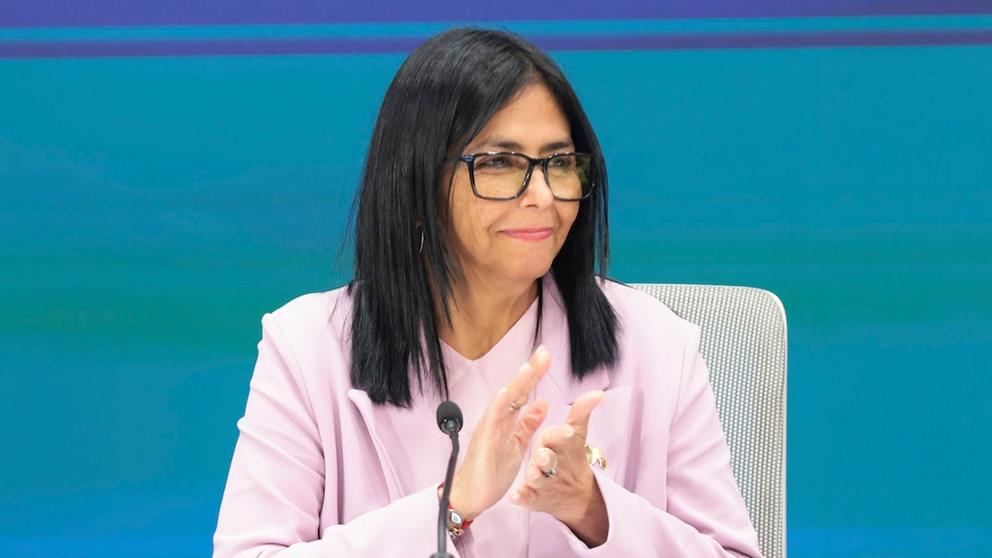
Machado defined these days as “decisive hours and days” for the future of Venezuela and assured that he had the support of Donald Trump’s government to materialize the democratic transition.Regarding Rubio, whom he has known for years, he stated that he is “one of the people who best understands the hemisphere,” thus reinforcing the strategic alignment between the opposition movement he leads and the White House.
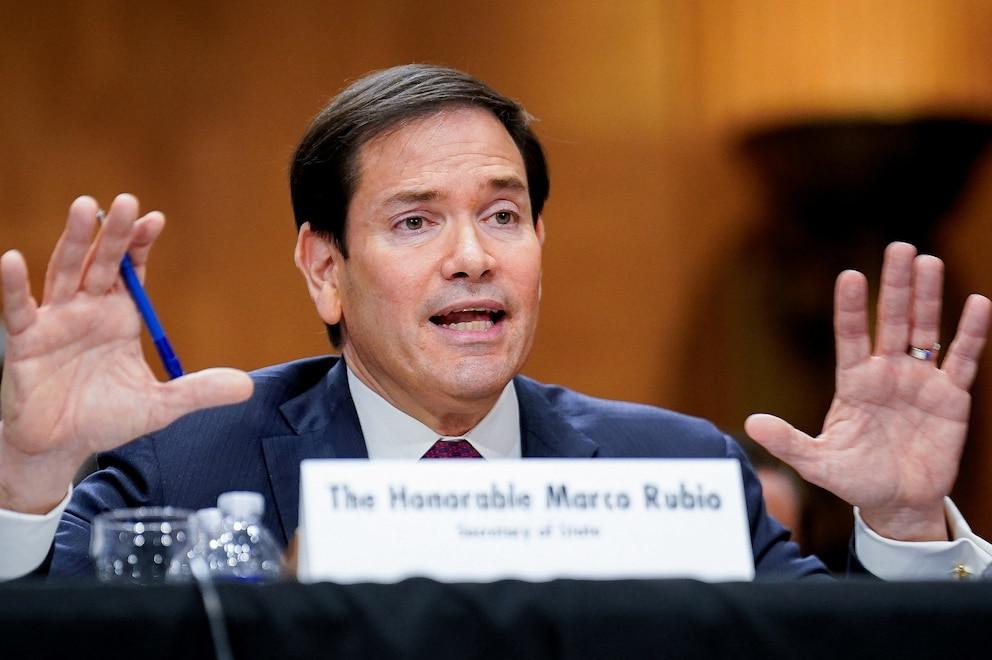
Machado’s position contrasts with the strategy that the Trump administration has maintained until now.Rubio made it clear in his senatorial appearance that the United States does not plan a new military intervention in Venezuela, although he did not rule out the use of force if Delcy Rodríguez does not cooperate with Washington.The Secretary of State explained that the State Department will closely supervise the performance of the interim authorities and opened the door for Machado to participate in the transition process, although he acknowledged that “the regime has control of the weapons and institutions.”
Machado expressed his intention to return to Venezuela as soon as possible, although he did not rule out visiting other countries beforehand to reach agreements and conversations that he considers necessary.The leader, who remained underground for much of 2025 for fear of being detained by the Maduro regime, left Venezuela in December to receive the Nobel Peace Prize in Norway.
Asked about the recent statements by Delcy Rodríguez, who stated that she no longer accepts orders from abroad, Machado responded that what is relevant is not what the Chavista leader says, but her concrete actions.“It’s not about what that lady says, but about what she is doing,” he said.The opposition identified signs of weakening in the regime’s repressive apparatus, although she admitted that the changes are insufficient and that the repression continues: more than 300 people have been released since the beginning of the release process, but more than 700 remain detained and new arrests have been registered in January.
The process of releasing political prisoners in Venezuela has generated controversy due to the lack of transparency and discrepancies between official figures and those verified by human rights organizations.While Rodríguez’s interim government claims to have released more than 600 people since December, the NGO Foro Penal has verified approximately 266 releases until the end of January, according to data from the organization.
The meeting between Machado and Rubio occurs at a crucial moment for Venezuela, three weeks after a US military operation overthrew Maduro in Caracas.The so-called Operation Absolute Resolve, carried out on January 3, resulted in the capture of the former president and his wife Cilia Flores, who were transferred to New York to face charges of narcoterrorism and drug trafficking dating back to 2020.

