


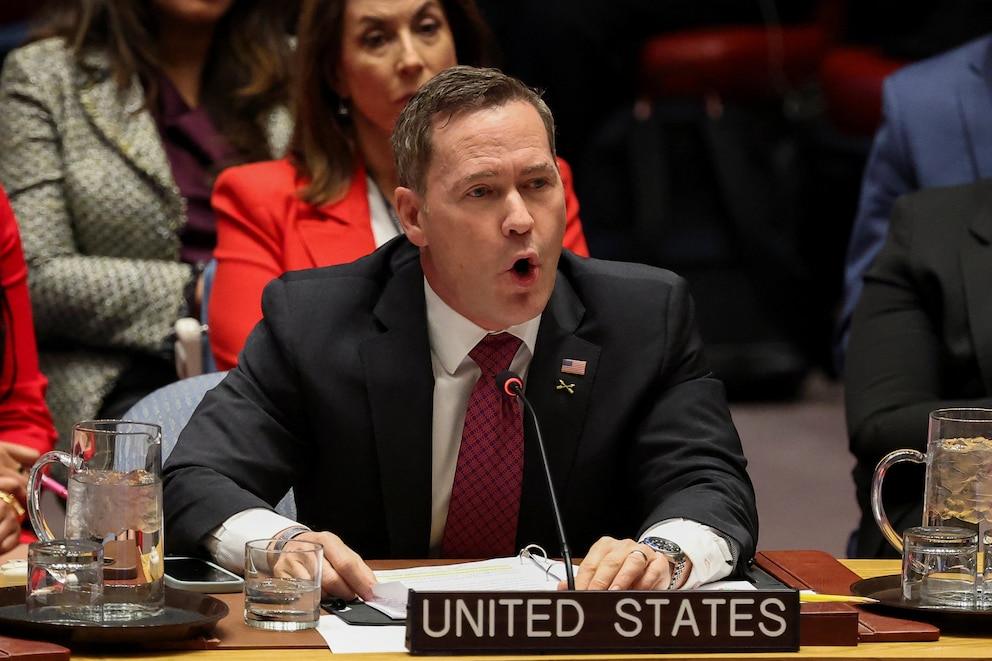
The United States presented to the UN Security Council a plan for the demilitarization of Gaza that includes the withdrawal of weapons through a process agreed upon and supervised by international monitors, along with a buyback program financed by the international community.
The objective is to guarantee the elimination of the arsenal of the terrorist group Hamas and allow the transition to a civilian administration and the reconstruction of the enclave.
At a Security Council meeting on Wednesday, US Ambassador to the UN Mike Waltz stated that “Hamas should have no role in the governance of Gaza, directly or indirectly, in any form.”
Waltz specified that the plan contemplates the destruction of all military infrastructure, including tunnels and weapons factories, as well as the definitive withdrawal of arsenals in the hands of the extremist group.
“All elements of terror and military offensive, including tunnels and weapons production centers, will be destroyed and will not be rebuilt,” he stressed.
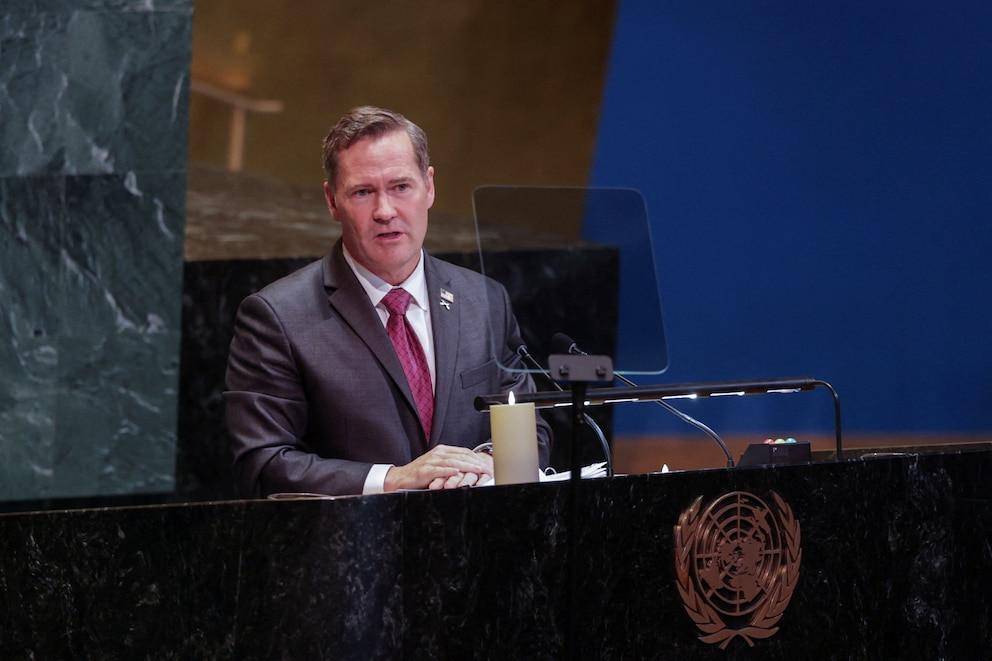
According to the ambassador, the demilitarization will be supervised by an independent team of international observers.
“International and independent monitors will oversee a demilitarization process in Gaza, which will include the permanent disposal of obsolete weapons through an agreed disarmament process and supported by an international buyback and reintegration program,” Waltz explained.
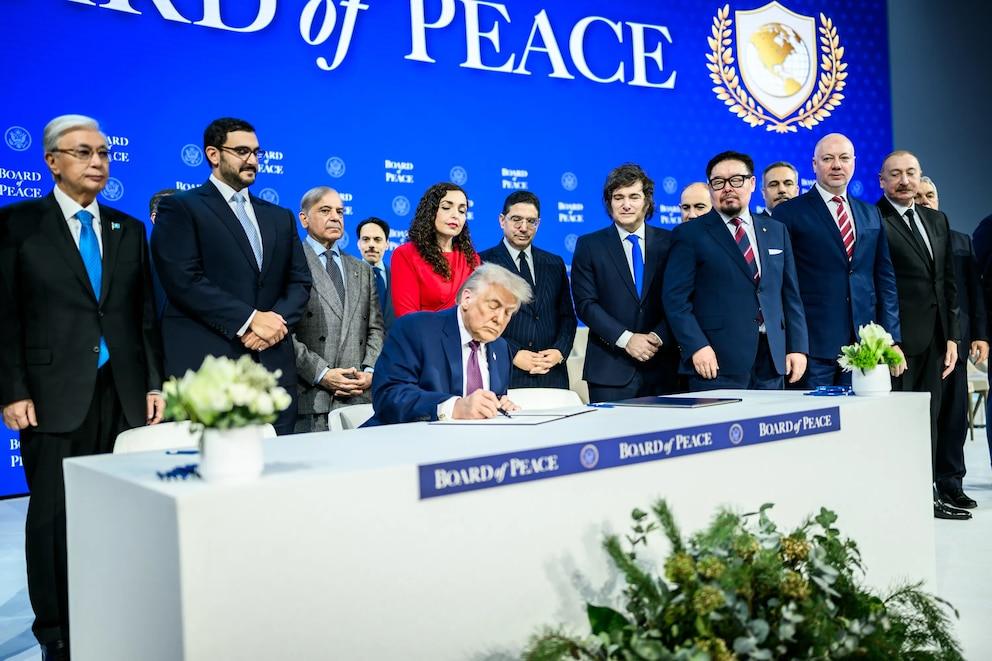
The diplomat added that international pressure on Hamas to hand over its weapons will be coordinated with the Peace Board, the multilateral organization led by the United States for the transition in Gaza, and the Palestinian National Committee, which oversees local representation.
The US plan, which corresponds to point 13 of the peace agreement promoted by the Trump administration, links additional withdrawals of the Israeli army to the effective delivery of weapons by Hamas.
Since the October ceasefire, the Islamist group maintains control of almost half of Gaza’s territory, although Israel insists that it will not allow any reconstruction or political progress until demilitarization is irreversible.
In response to questions about the details of the arms buyback program and international oversight, a US State Department spokesperson said that “discussions on the implementation of Phase 2, including demilitarization, are ongoing.”
US diplomatic sources also noted that any disarmament of Hamas could include some type of amnesty for terrorists who surrender their weapons, although the group’s leaders have assured that they have not received a concrete proposal on the disarmament mechanism.
Israel’s ambassador to the UN, Danny Danon, warned that Hamas remains heavily armed, with thousands of rockets, anti-tank missiles and tens of thousands of assault rifles.
“These weapons are not only used against Israel, but also against Gazans themselves who oppose Hamas rule,” Danon said.The Israeli government considers that the total demilitarization of the Strip is an essential condition before any stage of reconstruction or possible political transition.
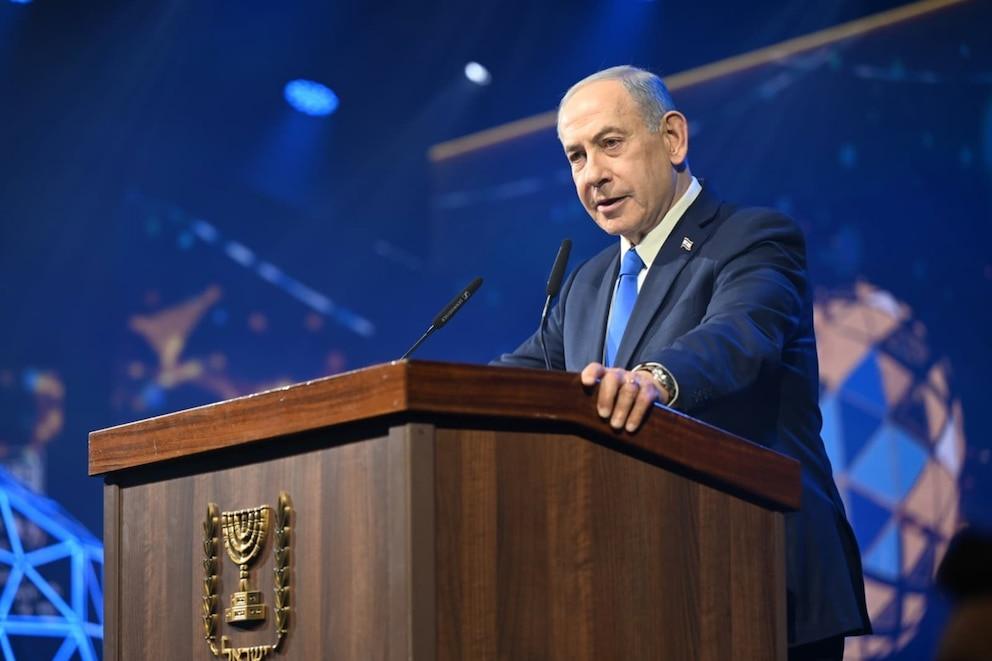
Israeli Prime Minister Benjamin Netanyahu confirmed on Tuesday that his country will not allow the creation of a Palestinian state or the reconstruction of Gaza as long as Hamas maintains any military capacity.
“We now focus on completing the two remaining tasks: disarming Hamas and demilitarizing Gaza of weapons and tunnels,” Netanyahu said.
Hamas, for its part, has shown a willingness to discuss disarmament with other Palestinian factions and international mediators, but maintains that it has not yet received detailed proposals on the process.
The group demands as a precondition the fulfillment of the commitments of the first phase of the agreement, including the opening of the Rafah crossing, the entry of humanitarian aid and strict respect for the ceasefire.
The demilitarization process and the deployment of the Peace Board constitute the axis of the second phase of the international agreement for Gaza.The viability of the reconstruction, the administrative transition and the future stability of the enclave will be subject to the success of this plan and the cooperation of all the actors involved.
(With information from Reuters and EFE)

