


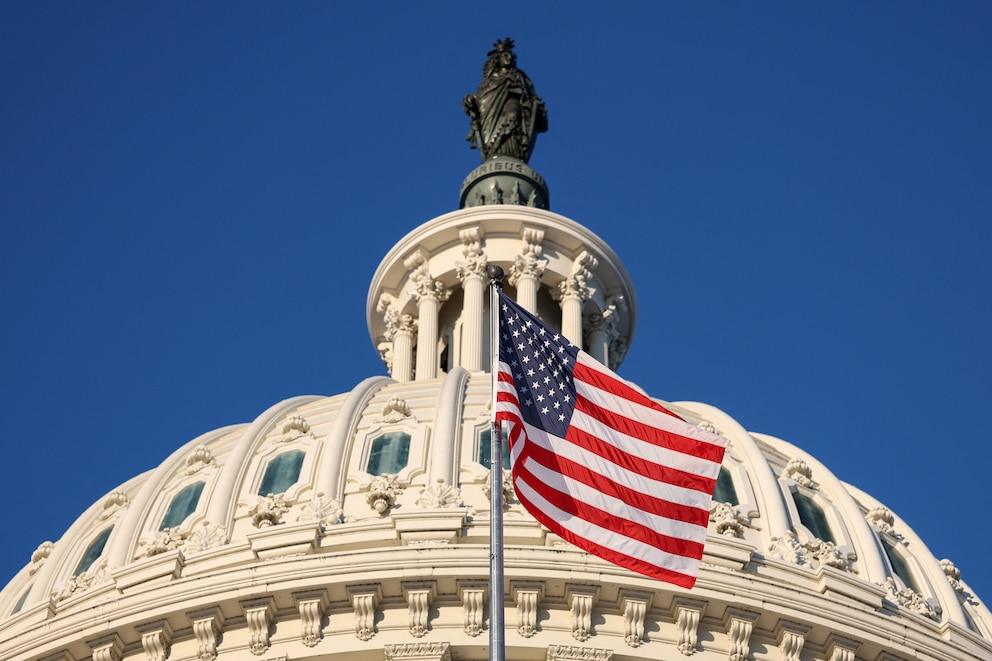
The United States government faces the imminence of a new partial shutdown starting at midnight this Friday, January 30, after Democratic senators announced that they will not support the budget package that includes funding for the Department of Homeland Security.
The disagreement occurs in the midst of strong controversy over the death of Alex Pretti, a US citizen killed by border agents in Minnesota.
The leader of the Democratic majority in the Senate, Chuck Schumer, confirmed that his party will not give the 60 votes necessary to approve the set of six appropriations laws if the chapter on the Department of Homeland Security (DHS) is not withdrawn.
“This is not a law and order situation. This is chaos,” said Schumer, who listed a series of demands to modify the detention and use of force procedures of federal agents.
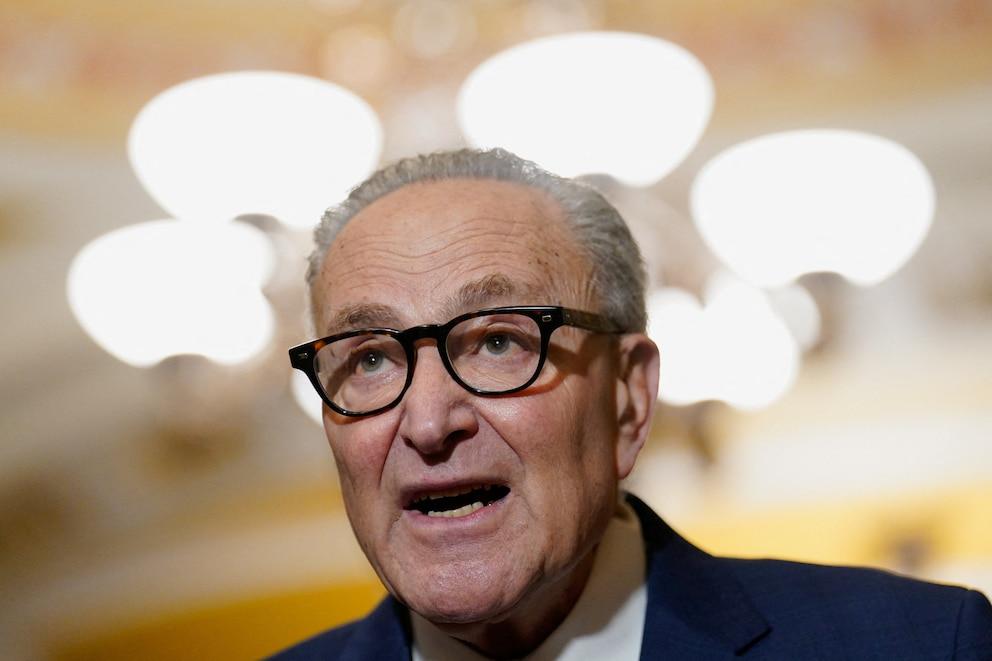
Among the conditions raised by Democrats are the creation of a mandatory code of conduct for immigration agents, requiring them to wear body cameras and coordinating with local police for arrests.They also demand the elimination of roving patrols and the obligation to carry visible identification.
“None of these changes are revolutionary,” said Senator Chris Murphy, Democratic leader on the Homeland Security subcommittee.
The position has the support of independent senator Angus King, who warned that he would block the package if immigration spending is not reviewed.
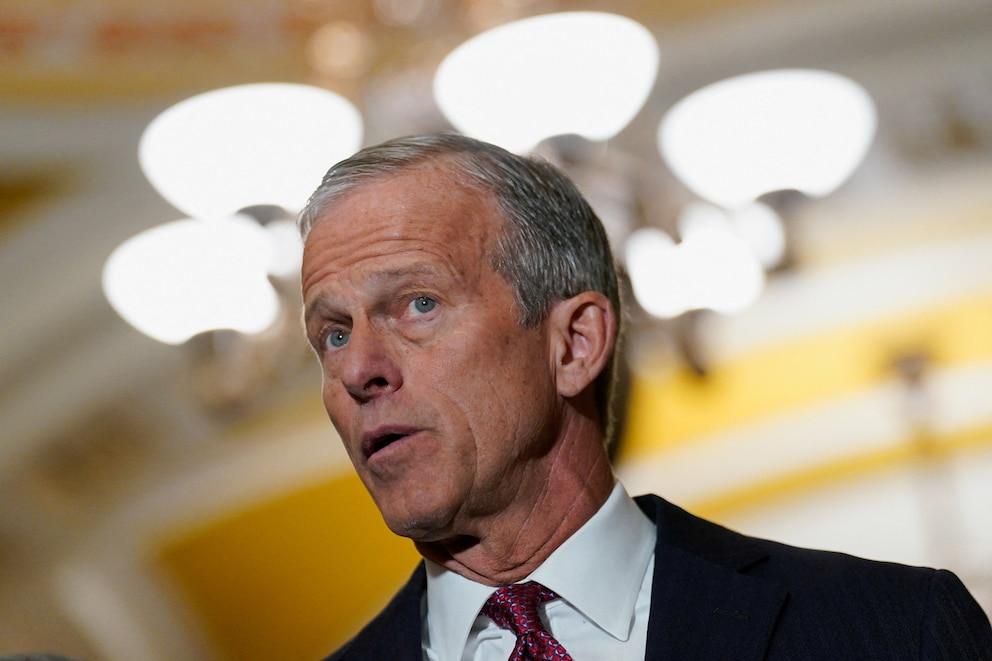
In response, Senate Republican leader John Thune insisted that any changes to the bill would have to be negotiated directly with the White House and that it is not feasible to modify the legislation at the last minute.
“We can talk about additional oversight or new laws, but not at the cost of shutting down the government,” warned Senator John Cornyn, also a Republican. Other lawmakers, such as Lisa Murkowski and John Kennedy, were open to separating Homeland Security funding from the rest of the package.
President Donald Trump faces pressure from both his own party and the opposition, due to rejection of immigration tactics and the possibility that a new closure will worsen economic instability.
“The White House is open to negotiations,” Thune said.
The Republican-controlled House of Representatives remains out of session this week, making it difficult to expedite any amendments to the bill.
House Speaker Mike Johnson has so far not called lawmakers back to Washington or indicated whether he would allow changes to the budget package.In a letter, the Freedom Caucus, the most conservative Republican group, reiterated its support for the president and rejected any changes that eliminate funding for Homeland Security.

If an agreement is not reached before midnight on Friday, the partial closure would halt operations in key departments such as Defense, Health, Education, Transportation, Treasury and State, in addition to affecting agencies such as the Small Business Administration.
The Internal Revenue Service would be limited in the middle of filing season, while loans to small businesses and payments to Pentagon contractors would be suspended.Non-essential federal employees would be sent home without pay, although ICE and Border Patrol agents would continue to work under the personal-essential category.
The partial shutdown would also create uncertainty over the release of key economic data, such as the next unemployment report.All this is happening as the United States faces a winter storm that has paralyzed cities and forced the cancellation of legislative sessions, further reducing the room to negotiate before the deadline on Friday.
The last partial shutdown of the federal government, which occurred between October and November 2025, lasted 43 days and was the longest in the history of the country.The differences on that occasion revolved around the financing of health subsidies, while the current conflict focuses on immigration policy and the supervision of federal agents after recent deadly incidents.
(With information from EFE and The Associated Press)

