


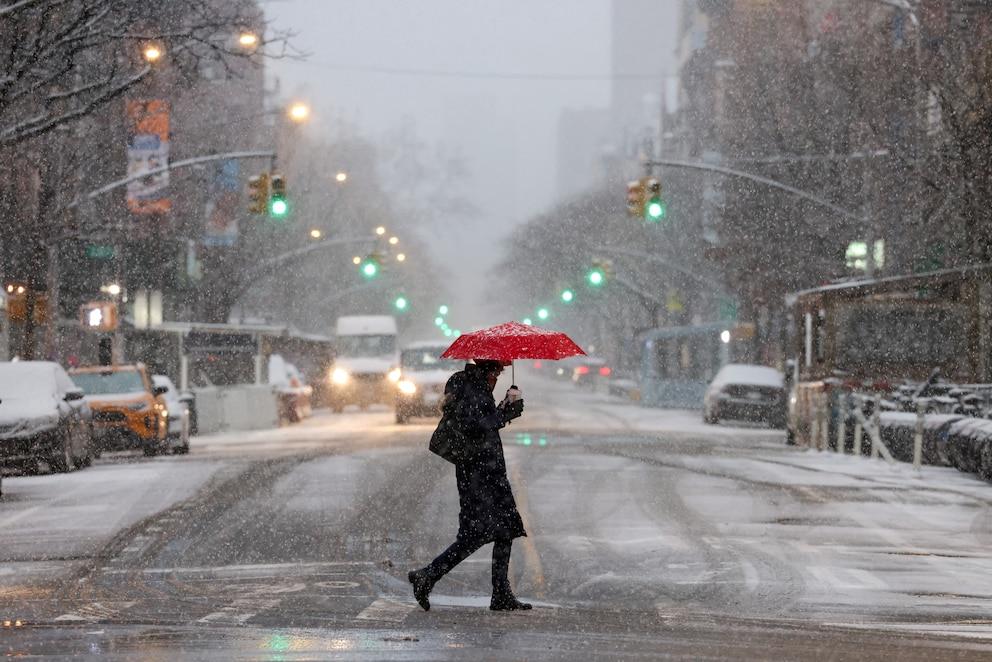
The National Weather Service (NWS) of the United States issued warnings for the East Coast due to the advance of a nor’easter storm that could affect more than 50 million inhabitants between January 31 and February 2, 2026. The phenomenon meets the conditions to cause snowfall, intense winds and high waves in key cities such as New York, Boston, Philadelphia and Washington D.C.
According to reports from the NWS and updates from The Weather Channel, the weather event is taking place while the region is still facing the aftermath of a recent snowfall, which increases the vulnerability of infrastructure and mobility.Authorities have raised the level of surveillance in the mid-Atlantic and northeastern states, anticipating possible disruptions to transportation and power supplies.According to the NWS, “a favorable pattern is observed for the development of a significant coastal storm, which could intensify over the weekend.”
According to the National Oceanic and Atmospheric Administration (NOAA), nor’easters are formed when cold air from the Arctic interacts with warm masses from the Atlantic, a frequent situation between September and April.These systems have historically caused severe impacts in the eastern United States, including heavy snowfall, dangerous storm surge, and damage to infrastructure.Recent precedents include the 2015 storm and the 1993 Superstorm, both documented by NOAA and cited by ABCNews.
A nor’easter is a low pressure system that develops on the Atlantic coast of the United States, characterized by predominant northeasterly winds and intense precipitation.According to NOAA, these phenomena arise in a corridor that runs from Georgia to New Jersey, in a range of approximately 160 kilometers on either side of the coastline.
The combination of cold air displaced by the jet stream and warm humidity from the Atlantic promotes the formation of intense storms.The temperature difference between relatively warm surface water and cold continental air powers the system.According to the NWS, “the thermal contrast and abundant available humidity enhance the intensity and duration of these events.”
The relevance of these systems lies in their ability to affect densely populated regions, in particular the I-95 corridor, which includes the largest cities in the northeast.Previous experiences, according to NOAA, show that nor’easters can paralyze urban activity, cut services and hinder emergency response.

The latest update from the NWS and reports from ABC News agree that the critical period will be between the night of Friday, January 31, and Sunday, February 2, 2026. Meteorological models project that the system could reach its maximum intensity in the early hours of Saturday, extending its effects until Monday in the northeast of the country.
Areas most at risk include the New England coastline and the states of New York, New Jersey, Connecticut and Massachusetts.In these places, snow accumulations of more than 20 centimeters and wind gusts that could exceed 80 kilometers per hour are expected.According to The WeatherChannel, “the storm could leave significant accumulations of wet snow and winds that will compromise the stability of power lines.”
Official warnings highlight the possibility of coastal flooding, especially in low-lying areas and near rivers, as well as storm surges that will make navigation and port traffic difficult.
According to the analysis published by NOAA, typical effects of unnor’easter include:
The NWS indicated that the persistence of subzero temperatures increases the risk of hypothermia and complications for those who do not have adequate shelter. In addition, travel by road and air could be restricted by low visibility and ice.
In previous reports, NOAA documented that similar storms have generated “massive school closures, flight suspensions, and extensive property damage to urban and rural infrastructure.”
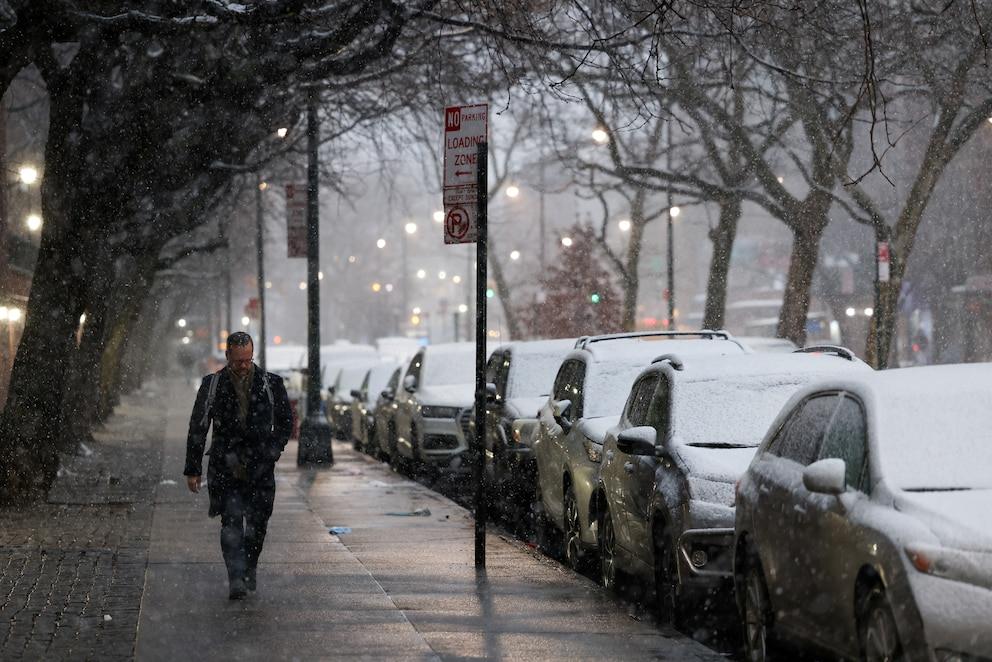
The NWS and The Weather Channel emphasize the importance of preparing in advance to reduce the risks associated with these types of storms.Among the main official recommendations are:
“Constant monitoring of forecasts is essential to guarantee the safety of the inhabitants of the region,” said the National Meteorological Service in its most recent statement.
According to NOAA and ABC News, Nor’easters have left their mark on the collective memory of the East Coast for their impact on daily life and the economy.In February 1978, a storm of this nature paralyzed New England, while the “Superstorm” of 1993 affected more than 100 million people along the Atlantic coast.
In January and February 2015, a series of nor’easters caused record snow accumulations in Boston, with transportation disruptions and millions in economic losses.This background reinforces the need to heed the warnings and maintain vigilance.
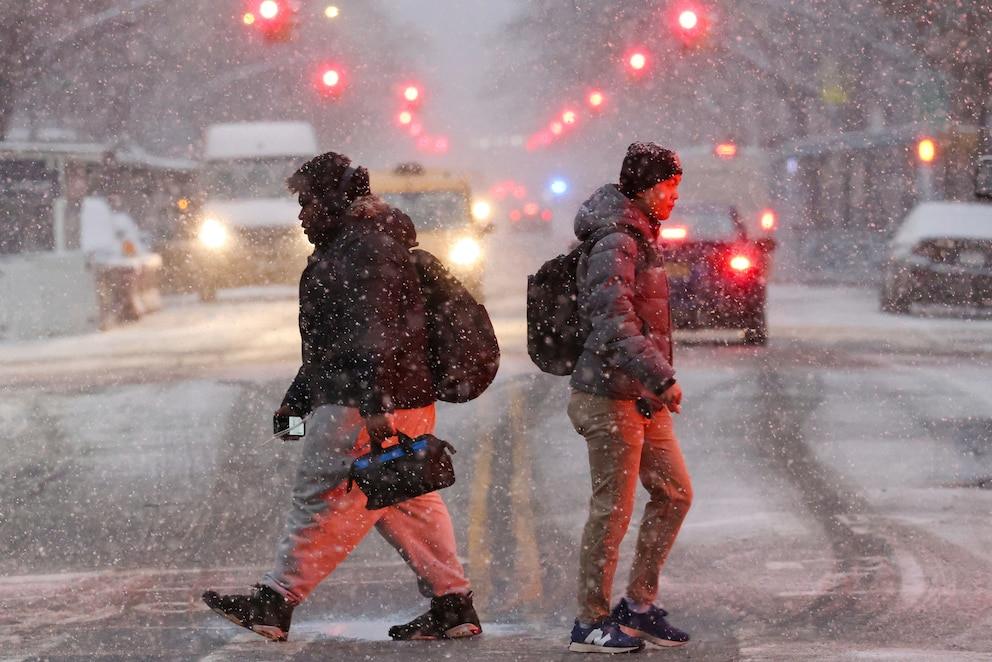
The vulnerability of the East Coast is explained by its geography and the predominant atmospheric flow in winter.The presence of the jet stream allows the entry of polar air from Canada, while the Gulf Stream keeps the surface waters of the Atlantic at relatively temperate values.
The thermal contrast creates an environment conducive to the development of low-pressure systems that can intensify rapidly.Additionally, high population density and exposed infrastructure increase the potential for damage.According to NOAA, “the I-95 corridor concentrates most of the traffic and essential services, which amplifies the consequences of extreme events.”
NOAA and NWS forecasts indicate that after the system passes, temperatures will remain below normal values and a new round of precipitation could occur in the northeast.The authorities recommended maintaining precautionary measures and not ruling out the appearance of other winter storms during February.
The impact of the event will translate into adjustments in public services, alterations in economic activity and logistical challenges for transportation and emergencies.Official updates will continue to be available on the NWS and NOAA portals, as well as through ABC News and The Weather Channel.

