


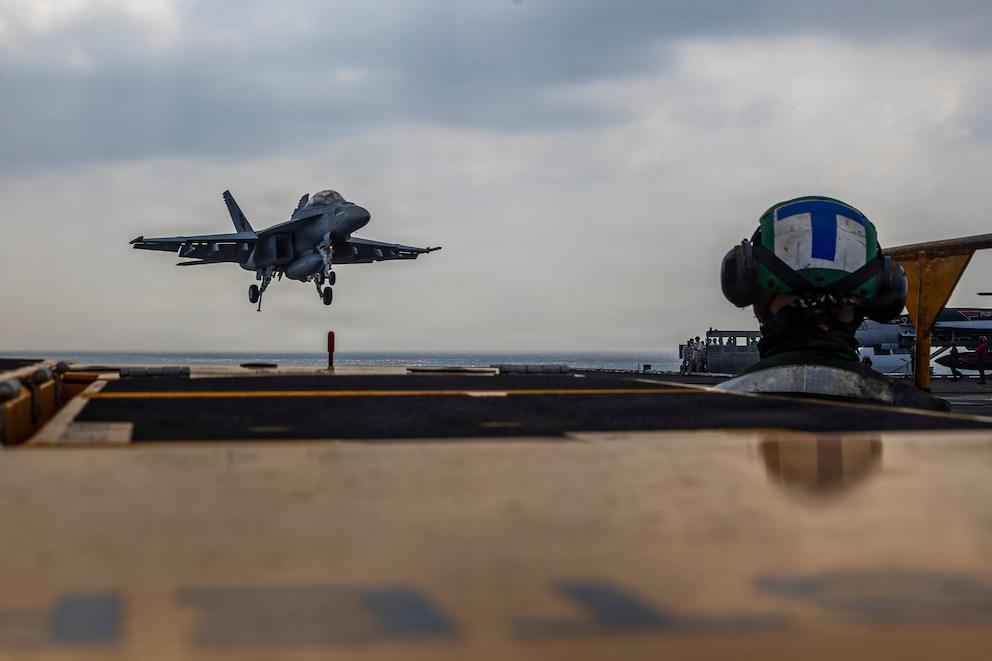
The Iranian regime indicated this Wednesday that it considers a war confrontation more likely than a negotiation with the United States, after days of increased tension between both countries due to President Donald Trump’s decision to send a fleet to the area.
“We consider war more likely than negotiation. We prepare for the worst scenario. The priority is to defend the country,” said Iranian Deputy Foreign Minister Kazem Ghariabadi in a meeting with foreign press in Tehran.
The diplomat noted that Iran is prepared for war and to give a “strong response to any aggression. In the event of a limited attack by the United States, our response will be adequate,” he added.
Iran’s mission to the United Nations later raised the tone of the warnings, stating that the country will respond “like never before” to any US attack.“Iran is ready for dialogue based on mutual respect and interests, BUT IF PRESSURED, IT WILL DEFEND AND RESPOND AS NEVER BEFORE,” the mission wrote in X.
For his part, and as the Iranian regime has been warning, Ghariabadi indicated that the place from where an attack against Iran comes or from where American fighters take off to attack “will be a legitimate target for us, and not the entire country from which the offensive began.”
The vice minister assured that the United States “must change focus and seek a real negotiation” and that if Washington wants “a negotiation whose result is not previously defined, the option can be evaluated.”
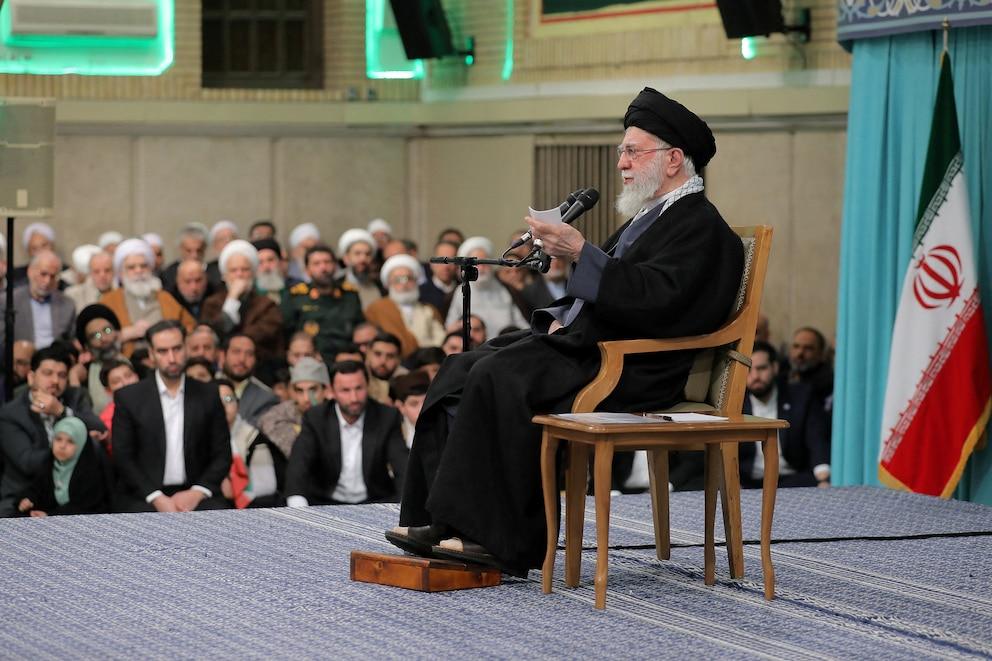
He stated that the channels of dialogue with the United States are always open but right now there are no conversations.”The United States has proposed negotiating. The important thing is the level of seriousness it has to negotiate,” he said.
In that sense, the vice minister pointed out that if, with the military deployment, Washington seeks to “pressure us to achieve its objectives in the negotiations, they will not achieve it.”“If we enter into a negotiation, it will be with authority and a firm position,” he added.
The US nuclear aircraft carrier USS Abraham Lincoln, along with its combat group, is in the Middle East, according to the US Central Command (Centcom) on Monday, following Trump’s warning to send a “huge fleet” in response to the repression against protests in Iran.
Trump reiterated this Wednesday that the fleet of warships he has sent to Iran is ready to “accomplish its mission with speed and violence,” as in Venezuela.
Although the protests that shook Iran especially on January 8 and 9 were put down by the regime and there are no longer relevant demonstrations in the country, Trump has maintained his instruction to send the fleet to the region.
Iran has assured that it will respond to any US intervention and has indicated that if an attack occurs it will consider all US bases in the region as military objectives.
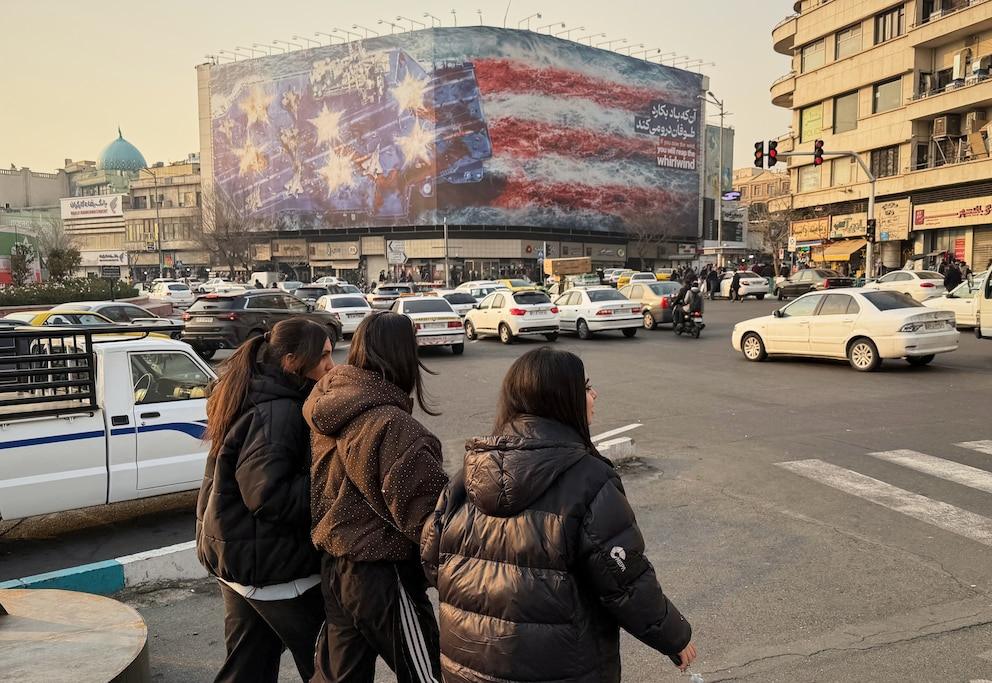
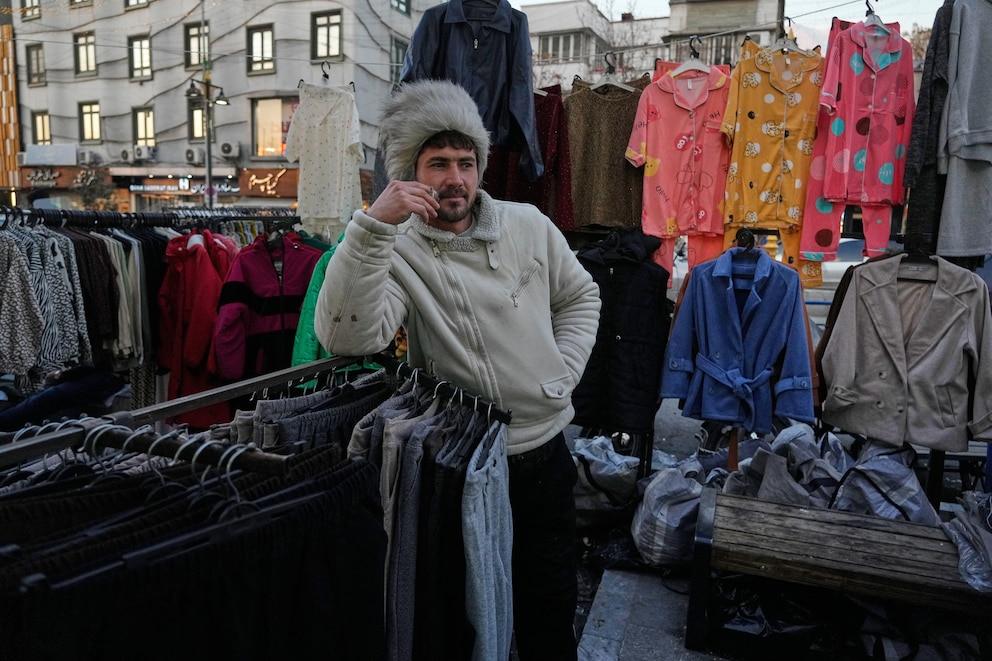
In the streets of Tehran, fear and uncertainty about a possible US military intervention are mixed.
“I have a family and two small children, and I am worried about what could happen,” Ahmad, a 42-year-old English teacher, told the EFE agency.This Tehran resident has stockpiled canned food, water and cash in case there is a conflict.
Ahmad lived through the so-called 12-day war between Israel and Iran last June, in which the United States participated with the bombing of nuclear facilities.Then, he left the capital with his wife and two children to avoid the attacks that hit the city for 12 days and in which more than a thousand people died throughout the country.
“Now the fear is greater because I feel that the United States attacks will be more destructive and even if they target high officials, the consequences can affect us citizens as well,” he stated.
Iranian authorities, however, are defiant.In Enghelab Square they have placed a huge poster showing a destroyed American aircraft carrier with the phrase: “He who sows the wind, reaps the storms.”In Palestine Square, another mural shows coffins draped with American and Israeli flags under the warning “beware of your soldiers.”
The Islamic Republic has accused the United States and Israel of organizing protests that they have called “terrorist” and whose deaths they put at 3,117, while opposition NGOs such as HRANA place the figure at around 6,000, with estimates that reach more than 30,000.
(With information from EFE)

