


For years, the general perception has placed the refrigerator as the main responsible for high energy consumption in homes.However, recent analyzes reveal a different scenario.
The appliance that increases the electricity bill the most is not the refrigerator, but the dryer, a device present in many homes and which usually goes unnoticed in energy expenditure calculations.
This finding modifies the way in which consumers approach energy savings and forces them to rethink routines to reduce spending.In this sense, everything you need to know about the expenses of household appliances is presented and what it represents in money on the energy bill.
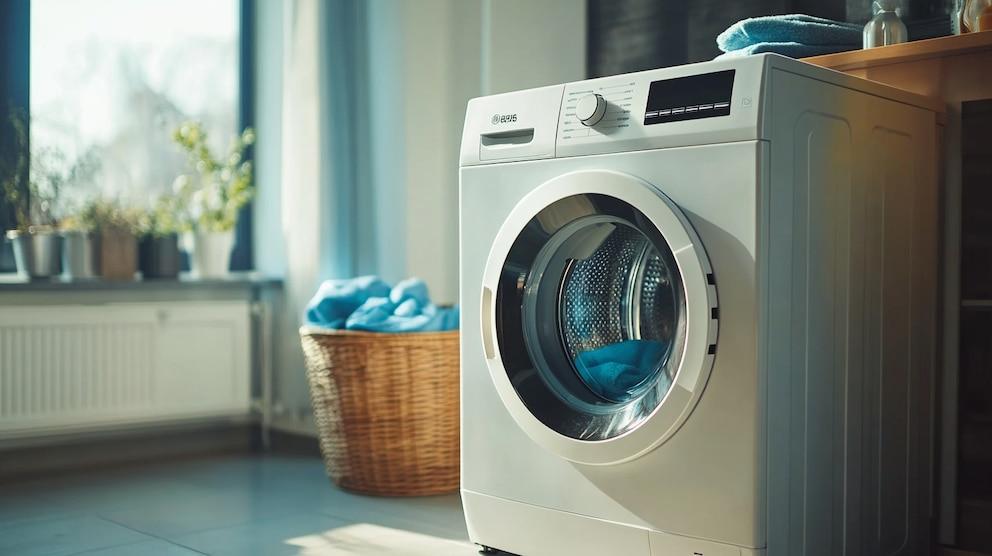
The dryer, especially in cotton programs used four times a week, reaches an approximate monthly cost of 10.14 euros, according to calculations by the Organization of Consumers and Users of Spain (OCU).
This figure positions it as the appliance with the greatest impact on the monthly electricity bill, surpassing the refrigerator and other appliances for daily use.
The high consumption of the dryer is a product of the amount of energy necessary to generate heat and evaporate moisture from the clothes.This energy demand is considerable even when used with moderate frequency.
The refrigerator, although it remains on twenty-four hours a day, occupies third position in the consumption ranking.Their monthly expense is 6.43 euros, according to the OCU analysis.
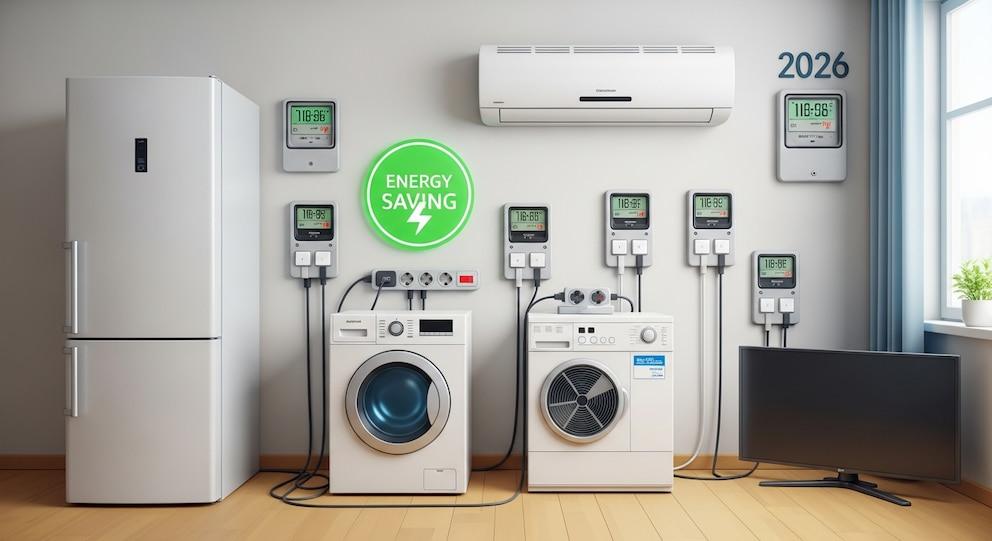
The dishwasher, used daily, amounts to 7.21 euros per month, while the washing machine, used four times a week, amounts to 5.25 euros per month.
The television, used four hours a day, represents a cost of 3.27 euros per month.The oven, with two weekly uses, consumes 2.54 euros per month.These data allow us to measure the impact of each device on the electricity bill and help identify savings opportunities.
Among the devices with the lowest annual consumption, the vacuum cleaner, the computer monitor and the iron stand out.The vacuum cleaner uses 38 kWh per year, which is equivalent to around 12 euros per year, as long as it is used one hour per week.
The computer monitor, with a use of nine hours a day, consumes 48 kWh per year and represents 14 euros per year. The iron, for its part, reaches 108 kW per year with one hour of use per week, which represents 34 euros per year.
These values show that some devices, despite their power, do not generate high costs due to sporadic use or limited operating time.
Consumption at rest, known as “stand-by” or phantom consumption, influences the bill although many users underestimate it.According to the OCU, the gas boiler, smart speakers such as Alexa or Google and the robot vacuum cleaner are among the devices that use the most energy at rest.
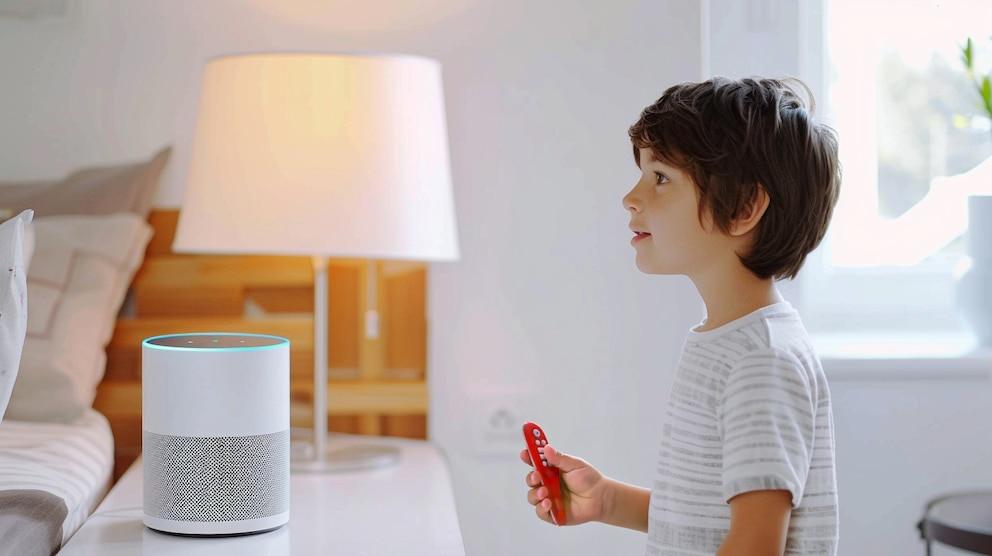
These three devices add up to an annual cost of 24 euros just to remain connected and ready for use.The stand-by consumption of the boiler is 27 kWh per year, while the smart speakers and the robot vacuum cleaner reach 26 kWh and 23 kWh per year respectively.
There are methods to calculate the consumption of household appliances.The first consists of reviewing the energy label, which details the annual expenditure in the case of refrigerators or the consumption per cycle for washing machines and dishwashers.
Another option is to consult the technical sheet or nameplate of the device, where the power in watts is indicated.Multiplying this figure by the time of use in hours gives an estimate of consumption in kilowatt hours (kWh).

