



The diagnosis of frontotemporal dementia transformed the daily lives of Bruce Willis and his family.
According to Emma Heming Willis, his wife, he “doesn’t know” that he faces this disease.
This situation is explained by anosognosia, a neurological disorder that prevents the patient from recognizing their own diagnosis.
During a conversation with People, the writer and activist explained that Willis “never, never knew.”
He expressed that the blessing and challenge of the disease lies in the fact that the actor never associated his symptoms with an illness.

“I’m happy that he doesn’t know,” said Emma, who prefers that her husband not be aware of the magnitude of what he is going through.
Anosognosia, common in dementia, causes the brain to not recognize its own changes.For this reason, Bruce Willis perceives his life as normal.
“People often think it’s denial, but it’s actually part of the disease. The brain is changing,” explained Emma Heming, who took on the role of spokesperson and primary caregiver for her husband.
In 2023, doctors issued the diagnosis of frontotemporal dementia for the Hollywood artist.
This condition mostly affects people under 60 years of age and causes speech difficulties, emotional changes, and motor problems.

According to Heming, despite the progression of the disease, Willis remained “very present in his body” and the family adapted their daily lives to accompany him.
“We evolved with him,” he summarized.This is how the family looked for new ways to relate.
Although the communication varied, the bond remained deep: “Bruce Willis has a way of relating to me and our daughters that is different, but just as valuable. It’s just another way of being together,” Emma shared.
A few weeks ago, the arrival of Christmas and the end of the year brought mixed emotions.
Emma Heming admitted feeling a “mixture of pain” during these dates, a mourning that is mixed with moments of joy.
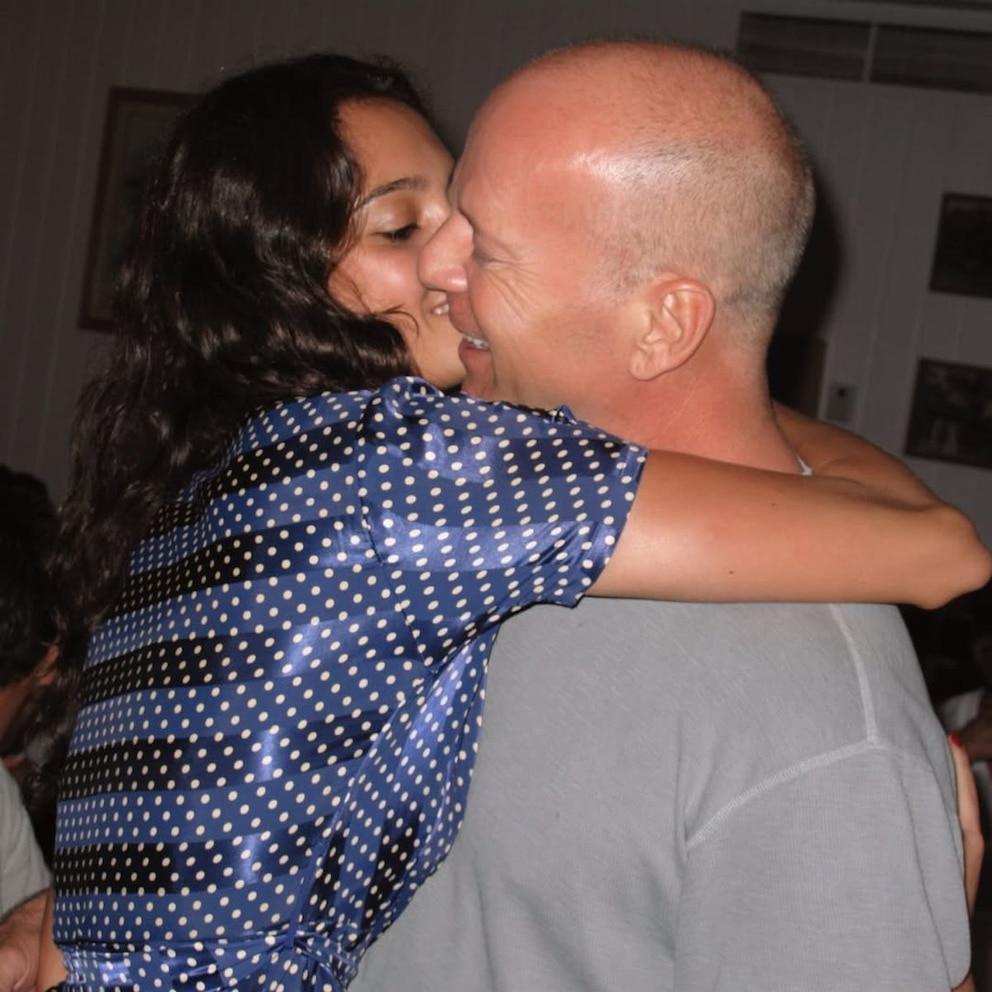
On his personal blog, he admitted that the holidays “look different now” and require more planning.
“Moments that once brought simple joy can now be wrapped in a web of grief,” he wrote.
Before his illness, Bruce Willis was in charge of Christmas traditions: he prepared breakfasts, went out with his daughters in the snow, and led family celebrations.
Those memories now take on special weight, since the actor could not continue with many of those activities.
Emma took on tasks such as putting up the Christmas lights or preparing the traditional pancakes, tasks that were previously done by Bruce.

At times, he became frustrated when faced with these changes and found himself murmuring the actor’s name as he dealt with tasks he used to enjoy.
“It’s not anger towards him, but a way of expressing how much I miss the previous dynamic,” Emma confessed.
He also reflected on the coexistence of opposite emotions: “Joy does not cancel sadness. Sadness does not cancel joy. They coexist.”
Despite the nostalgia, Emma Heming encouraged those facing similar situations to accept the transformation and create new traditions.
This Christmas, the Willis family decided to maintain some rituals, such as opening gifts together and sharing breakfast, although now it is Emma who prepares the pancakes.

They also plan to watch a Christmas movie as a family and indulge in both laughter and tears.
“We can grieve and make space for joy,” Emma wrote.
The actress and mother of two girls, Mabel and Evelyn, reiterated in an interview with People the importance of continuing to celebrate, adapting customs to the present.
He recalled that Bruce Willis always showed enthusiasm for this time and the family tries to honor that spirit, even when circumstances changed.
Among the family plans, a special tradition stood out: watching Die Hard (1988), a title that Emma Heming considers an essential Christmas movie.

