


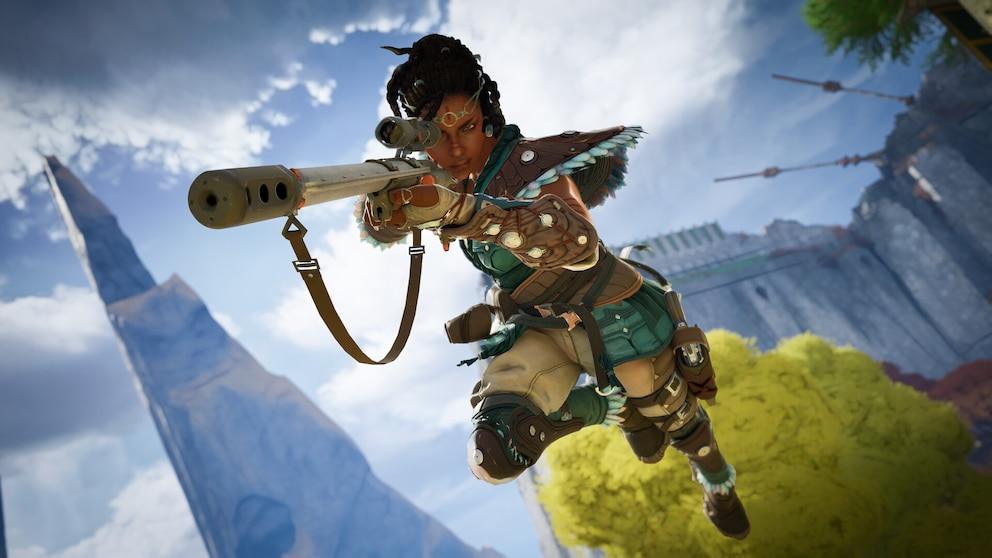
January 26 marked the global launch of Highguard, Wildlight Entertainment’s new free-to-play shooter, which quickly sparked debate among the gaming community.On its release day, the game registered a maximum of 97,249 simultaneous players on the Steam platform.
Despite achieving this notable record for a debut IP, reception was largely mixed, with negative reviews predominating published within hours.The title, developed by a studio made up of Respawn veterans and former Call of Duty members, was placed in the global spotlight after closing The Game Awards event in December, a position traditionally reserved for big industry releases.
The appearance of Highguard at the closing of The Game Awards attracted the attention of both the public and the press, since the last announcement of this event usually anticipates projects of great relevance.Highlighting a completely new property and the absence of promotional material in the following weeks fueled speculation.Wildlight Entertainment’s official channels remained inactive until a few days before the debut.
This unconventional approach generated high expectations and motivated numerous theories among fans, who expected a novel experience, especially considering that the team includes developers of hits such as Apex Legends and Titanfall.The previous leak of the game’s achievement list on online platforms also contributed to the discussion about the possible mechanics and challenges it would present.
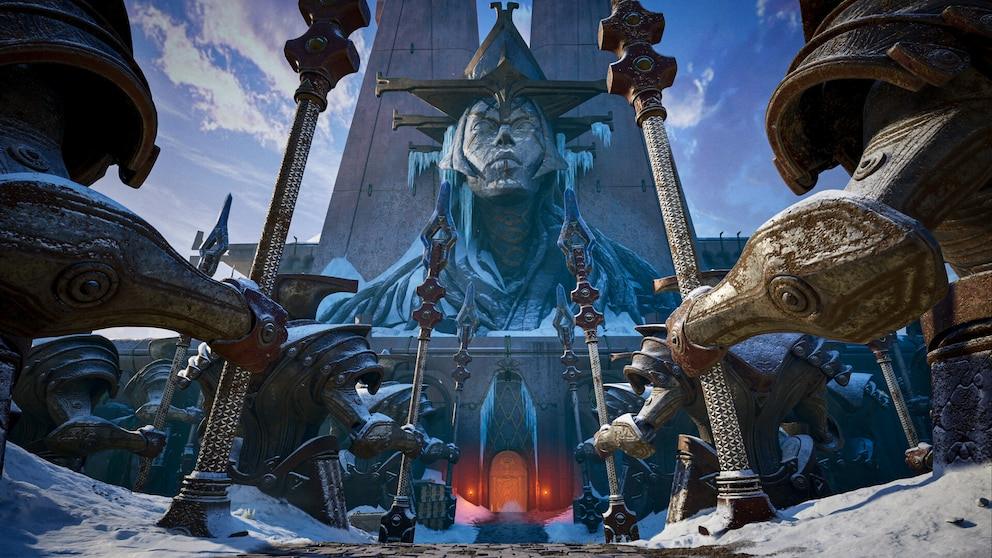
At%20the%20launch%20for%20PC%20and%20consoles,%20thousands%20of%20players%20tested%20Highguardfrom%20the%20first%20.%20Although%20the%20number%20of%20concurrent%20players%20on%20Steamewas%20close%20of%20the%20100,000,%20the%20reaction%C3%B3n%20to%20the%20games%20of%203%20against%203%20and%20thema%C3%B1o%20of%20the%20maps%20was%20mostly%20negative.%20Only%20a%2032.05%%20of%20the%20m%C3%A1s%20of19,000%20rese%C3%B1as%20initials%20were%20positive,%20with%2013,363%20comments%20is%C3%B1alleging%20that the%20game%20environment%20is%20disproportionate%20for%20such%20small%C3%B1teams.
This opinion spread quickly on forums and social networks, where users pointed out the lack of continuous action and the feeling of isolation when navigating overly large maps in small groups.The contrast between initial enthusiasm and subsequent disappointment sparked debate over whether Wildlight Entertainment relied too much on prior expectation and neglected to develop an experience tailored for the average player.
The reputation of the development team worked from the beginning as a seal of quality, thanks to the experience of its members in recognized franchises of the genre.In its public communications, the company highlights its commitment to quality in all aspects of its work and its goal of creating memorable games.
However, after the release of Highguard and the first widespread criticism, a cautious attitude can be observed on the part of the studio.Beyond institutional messages that highlight the importance of a positive work environment, so far they have not responded in detail to criticisms about the balance of the maps or the game format.This lack of direct communication generates concern among players, who request immediate adjustments or, at least, clear information about future updates.
The situation is beginning to sow doubts among consumers regarding the future of the game’s support and the studio’s ability to reverse the initial impression, especially in a market where early success can be temporary if it is not reacted in time.

