


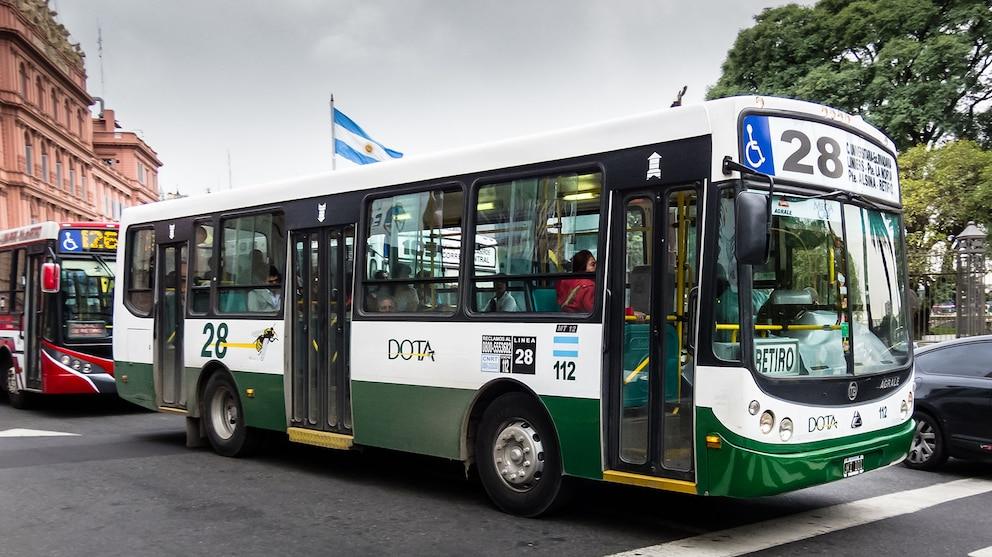
After the failure of this Tuesday’s meeting, the Automotive Tram Union (UTA) and the business chambers of passenger transport agreed to hold a new dialogue this Friday in order to try to unblock the joint negotiations that have been open since the beginning of the year.The main objective of this meeting, which will begin at 11 in the morning, is to seek a salary agreement that avoids the deepening of the conflict and an eventual strike that would affect the Buenos Aires Metropolitan Area (AMBA) and other jurisdictions in the country.
The call for the meeting was confirmed by the union representatives after a series of previous meetings that did not produce an agreement, in which the union rejected the business proposals, considering them insufficient to compensate for the loss of purchasing power of the drivers’ salaries.
In a new statement, the union maintained that it will continue with the discussion until all instances of dialogue have been exhausted and urged the business chambers to present a salary offer that, in its opinion, is “at par with the current economic situation.”The text adds that, if there is no superior proposal, the union will define the corresponding union action measures to guarantee the defense of the workers’ interests.This announcement includes, among other actions, the possibility of a stoppage of activities.
The conflict, which has continued for several weeks, has at its center the recomposition of drivers’ salaries in a context of high inflation and increased cost of living.In previous hearings, the business chambers made an offer that the UTA described as “insufficient” and formally rejected.
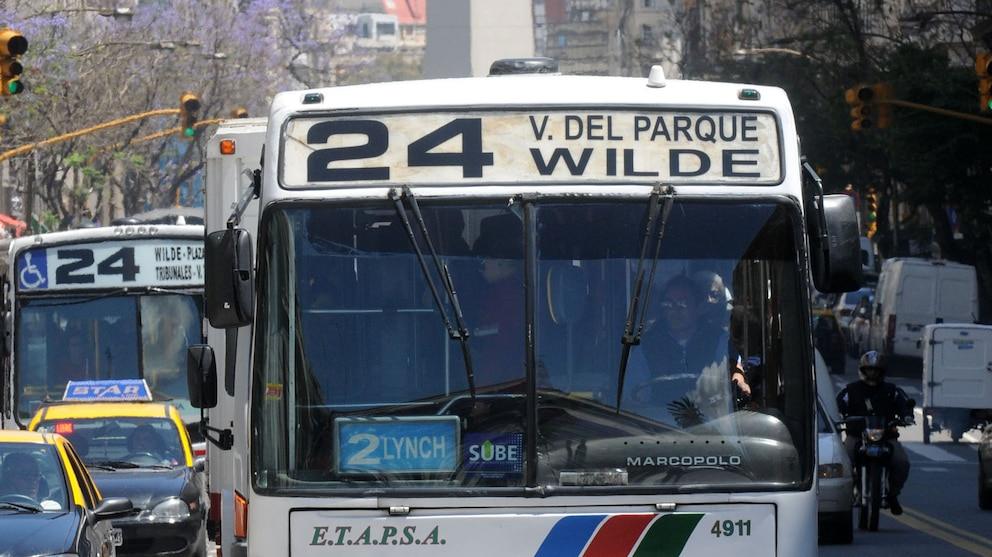
The%20parts%20come%20maintaining%20a%20exchange%20continuous.%20The%20%C3%BAlast%20meeting, held%20a few%20 ago%20d%C3%ADas%20in%20the%20Secret%C3%ADa%20of%20Work,%20end%C3%B3%20withoutsignificant%20approaches.%20The%20union%20sources%20remarked%20that%20the%20business offer%20%E2%80%94close%20to%20a%201%%20of%20increase%E2%80%94%20no%20cover%20the%20p%C3%A9loss%20accumulated%20against%20ala%20inflation%C3%B3n%20and%20results%20incompatible%20with%20the%20sustaining%20of%20a%20salary%20according%20to%20physical needs%20b%C3%A1.
From the side of the business chambers, it is argued that the sector is going through a “critical economic, financial and operational” situation that limits its ability to offer substantial salary adjustments without public assistance or changes in the cost structure.In previous meetings, business representatives stressed that the lack of a stable financial framework and the reduction of subsidies complicate the execution of agreements that satisfy the union’s demands.
In this context, Friday’s meeting will be considered by both parties as a strategic instance to define whether negotiations continue or whether a union struggle plan is activated.According to the UTA statement, the union will evaluate the result of the meeting based on whether there is a proposal that can be transferred to the bases.The specific modality of the possible union action measures that could be announced was not detailed, but it was specified that these will be defined after the meeting.
Parity negotiation in the passenger transport sector has been a point of attention in recent weeks due to its potential impact on the daily mobility of millions of users.In previous hearings, the tension between personnel needs and the financial situation of companies was a recurring theme, without definitive consensus being achieved.
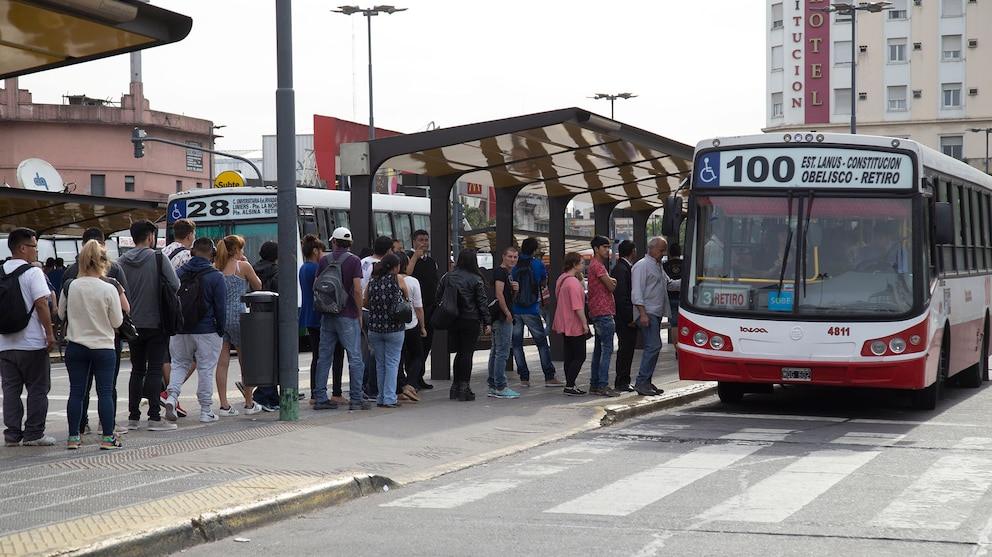
The joint conflict between the UTA and the transport business chambers is not new in the sector’s negotiating calendar, but it took on greater relevance in recent meetings after the parties did not agree on the percentage increase that should be applied to salaries.The UTA rejected the first business offer, which led to the calling of new hearings at the Ministry of Labor.
The union argued that previous wage increases had failed to compensate for rising prices and that, faced with a continued increase in fares, workers should obtain an adjustment to cover that gap.In turn, the business chambers pointed out that the current economic situation of the sector, marked by increasing costs and lack of adequate financial support, conditions their ability to offer larger salary improvements without external support or changes in current regulations.
From the official point of view, the Ministry of Labor actively participated in the hearings as the convening body, with the purpose of facilitating dialogue and preventing the conflict from leading to forceful measures that affect public transportation.The official agenda included the articulation of negotiation spaces between the actors involved, although to date a definitive agreement has not been reached.
In this framework, the last formal precedent of the conflict was the virtual hearing held this Tuesday, January 27, convened by the Ministry of Human Capital.Representatives of the UTA and all the business chambers of the sector participated, along with officials from the National Directorate of Labor Relations and Regulations.
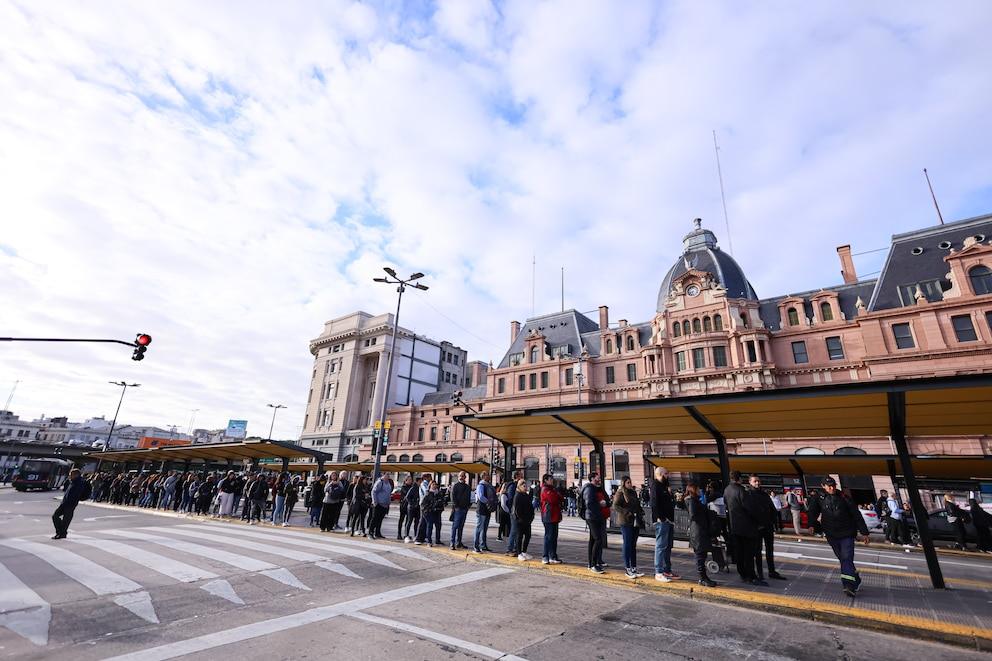
During that meeting, the business chambers indicated that they are holding talks with the Economy and Transportation ministries and requested an intermediate room, waiting for official definitions that will allow them to formulate a salary proposal.In that sense, they indicated that they were awaiting clarifications after a scheduled meeting with authorities in the Transportation area.
For its part, the UTA stated that the conflict “far from being attenuated, has deepened” and stated that, despite the months of negotiation and the instances of dialogue promoted by the labor authority, “to date a serious, concrete business offer in accordance with the serious salary problem raised has not been achieved.”
In that same sense, the union highlighted that passenger motor transport workers are going through an “extremely delicate” economic situation, resulting from the deterioration of purchasing power in the face of the increase in the cost of living, and warned that this reality “does not allow for further delays.”
Finally, and in a central passage of the minutes, the union organization expressly stated that “if a salary agreement is not reached in the next hearing to be called, union action measures will be announced immediately.”

