


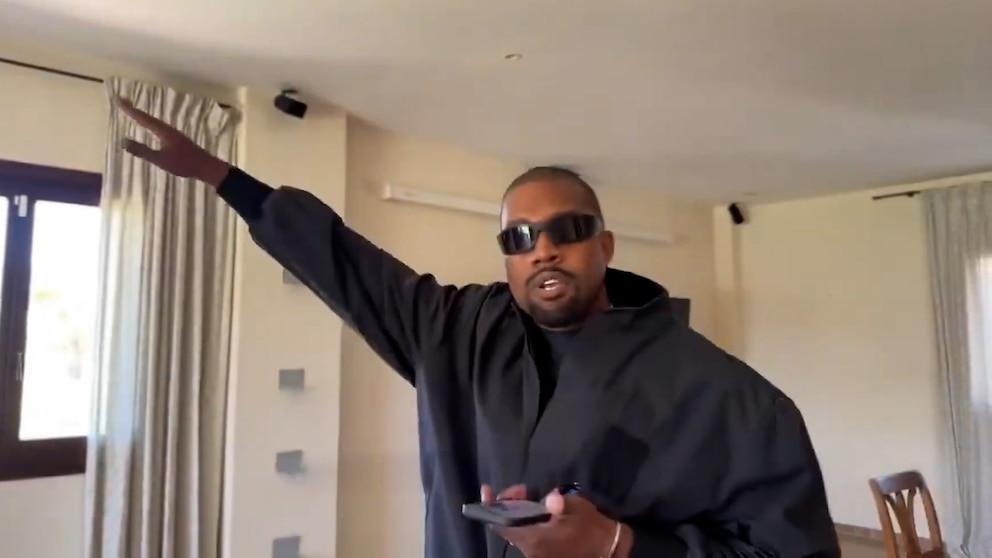
Kanye West reignited the debate after publishing an open letter of apology in The Wall Street Journal, an unusual gesture that reignited discussions about his repeated controversies over anti-Semitism.
The rapper, also known as Ye, flatly rejected that the initiative was a marketing maneuver linked to the imminent release of his new album, Bully, and assured that the motivation behind the text was sincere.
The letter, titled “To Those I’ve Hurt,” appeared on Monday, January 26 as a full-page ad in the influential American newspaper and was financed by its Yeezy brand.
The next day, in an interview with Vanity Fair, West addressed the nature of his message.As the announcement was made close to the release of his next record project scheduled for January 30, there were critics on social media who interpreted the move as a public relations strategy.
Faced with this, Kanye ruled out needing a marketing maneuver, stating that in 2025 he was “one of the 10 most listened to artists in general in the United States on Spotify” and that his next album “is currently one of the most pre-preserved of any release on the platform.”
“This, to me, as evidenced in the letter, is not about reviving my commercial potential,” the 48-year-old musician said in emailed responses to the magazine.
According to him, the decision was driven by an internal process, since “these feelings of remorse weighed so much on my heart and on my spirit.”
“I owe a huge apology once again for everything I said that hurt the Jewish and black communities in particular. It all went too far,” he wrote. “It all went too far. I look at the rubble of my episode and realize that this is not me.”
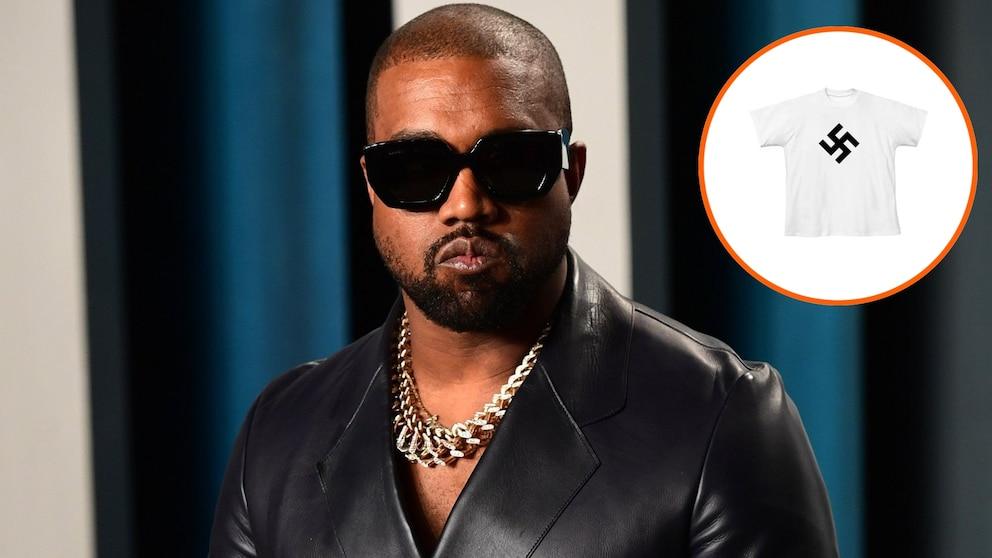
In the text published the previous day in The Wall Street Journal, West attributed his behavior to an untreated mental health episode.He said his “fractured state” led him “toward the most destructive symbol I could find, the swastika,” referring to the sale of merchandise with that emblem and public statements praising Adolf Hitler.He also called those decisions “poor judgment and reckless behavior” and stated that he “can’t remember” many of those moments due to his bipolar disorder.
“I am deeply sorry and ashamed of my actions in that state, and I am committed to taking responsibility, pursuing treatment and meaningful change,” he wrote.
“However, that does not justify what I did. I am not a Nazi or an anti-Semite. I love the Jewish people,” Ye stressed.In the same text, he addressed the African-American community, which he defined as “the foundation of who I am,” and apologized for having disappointed them.
Kanye West’s history of controversy and anti-Semitism is extensive.In 2022, Adidas ended its lucrative partnership with Yeezy after the artist threatened to go “death with 3 on Jewish people.”

Then, in 2025, a former Yeezy employee sued him, claiming he compared himself to Hitler, threatened her for being Jewish, and fired her a day after she reported his behavior. In September of that year, a judge ordered him to pay more than $76,000 in legal fees to the complainant, although the case remains on hold.
That same year, Kim Kardashian’s ex-husband once again caused outrage with a series of messages loaded with anti-Semitic insults and praise for Hitler.After that episode, he lost his agent, Daniel McCartney, from the firm 33
Speaking to Vanity Fair, West explained that he began to regret these acts once he emerged from a four-month manic episode that began in early 2025.
“All the family ties, deep relationships and lifelong friendships that I worked so hard to build were tainted by the horrible statements I made so impulsively,” he acknowledged.
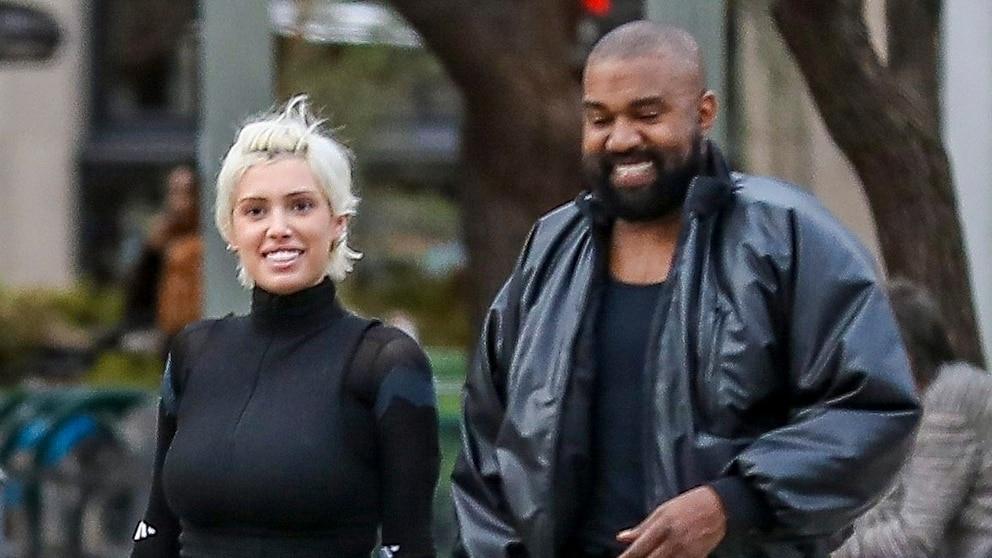
The musician also revealed that a change in medication at that time led him to a severe depressive episode and that, with the support of his wife, Bianca Censori, he was admitted for a time to a rehabilitation center in Switzerland.
“I’m trying to find what works for me so I can continue on this positive path,” he said of his current situation.

