


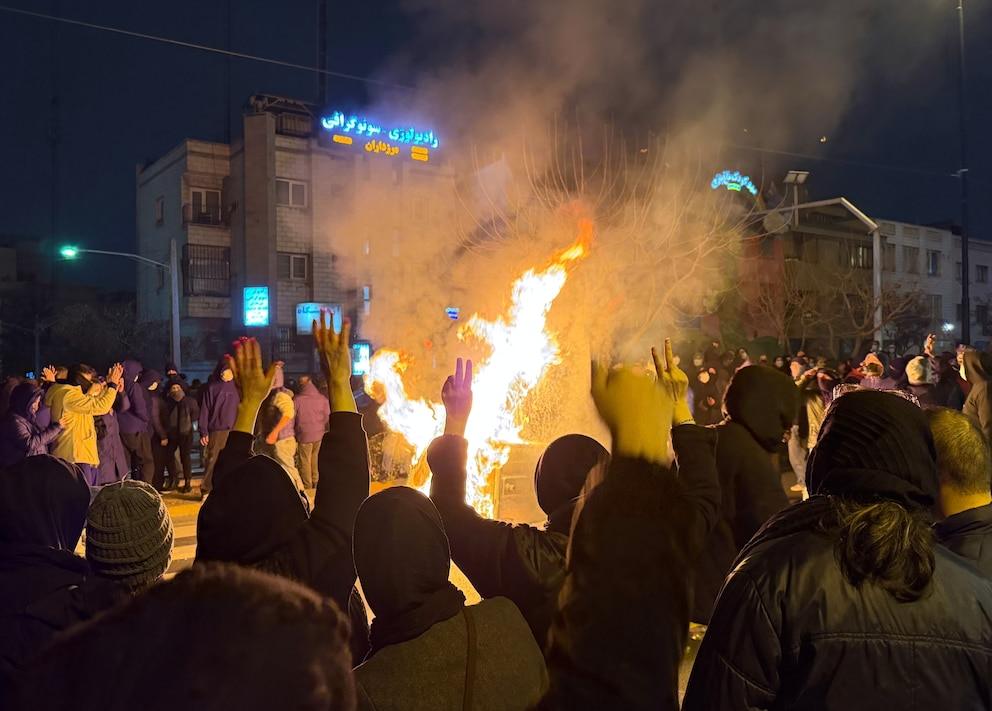
The United States-based non-governmental organization HRANA raised the number of dead protesters to 5,777 in its latest report, which places the total number of deaths in the protests that began in late December and turned violent in January in Iran at 6,126.
According to HRANA, an organization critical of the Iranian regime, since the protests began, a total of 6,126 deaths have been recorded: 5,777 were protesters, 86 were minors under 18 years of age, 214 belonged to forces affiliated with the government and another 49 people were non-protesters or civilians.
The fall of the rial led Tehran merchants to begin protests on December 28 that soon spread across the country calling for the end of the Islamic Republic.
The mobilizations reached their peak on January 8 and 9 with an explosion of demonstrations in practically all of Iran and strong repression.
The Tehran regime has acknowledged 3,117 deaths, while the Oslo-based non-governmental organization Iran Humans Rights (IHR) places the death toll at 3,428.
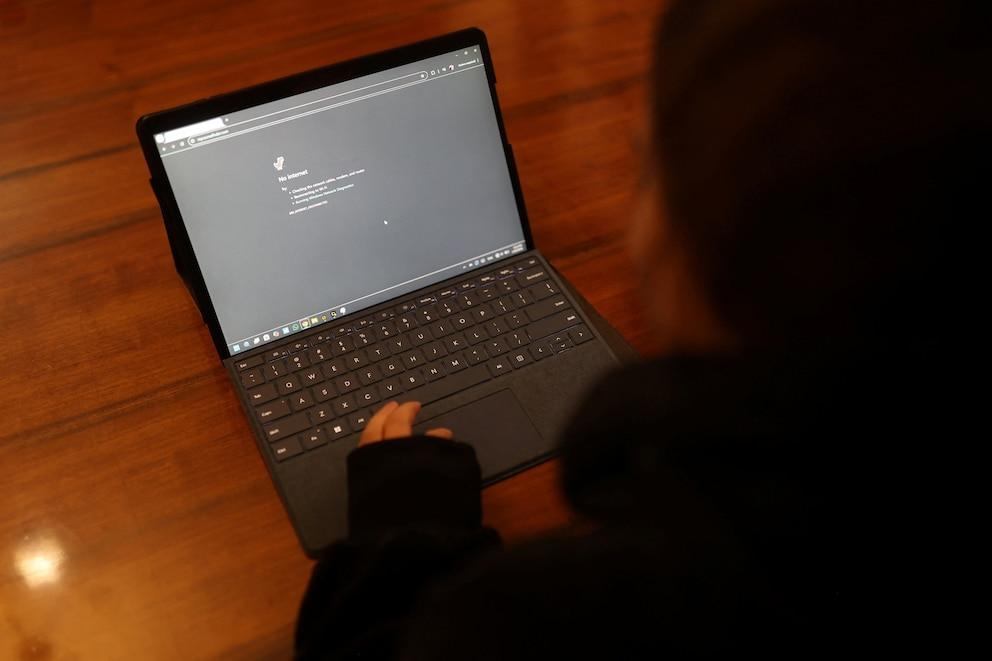
The Iranian authorities are keeping the internet blocked for the eighteenth consecutive day, according to the organization Netblocks, which specializes in monitoring network interruptions.
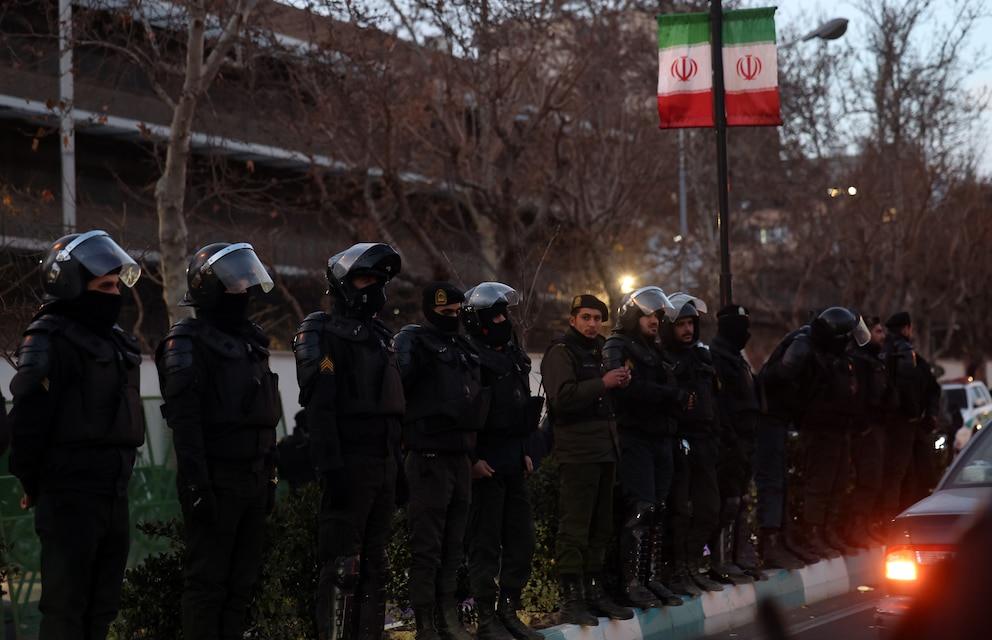
Regarding the situation in medical centers, HRANA states that “security forces identify people injured in relation to the protests and remove them from hospitals to arrest them.”
“In response, more than 4,000 doctors have signed a statement condemning the security forces’ repression against medical personnel,” the organization said.
He also indicated that the number of seriously injured people amounts to 11,009 and the total number of arrests to 41,880.
Likewise, HRA has documented 245 cases of forced confessions transmitted and counts 651 incidents related to protests in 200 cities in 31 provinces.
In another order, the Iranian Armed Forces warned that the presence of a United States aircraft carrier and other ships in the Middle East increases their “vulnerability” and turns them into “reachable targets”, in a context of growing bilateral tension.
“The concentration and accumulation of forces and equipment in the area will not be a deterrent factor, but will increase their vulnerability and turn them into reachable targets,” said a military source at the Khatam al Anbiya Base, the unified central command of the Iranian Armed Forces, according to Iran’s state television.
The source, whose name was not made public, maintained that the idea of carrying out a “limited, quick and clean operation against Iran is due to incorrect estimates and an incomplete understanding of the Islamic Republic’s defensive and offensive capabilities.”
Along the same lines, the unified central command of the Iranian Armed Forces noted that “the Islamic Republic will not start any war, but will not allow any threat against the national security of the country.”
The warnings came after the entry of the aircraft carrier USS Abraham Lincoln and its strike group into Middle Eastern waters, a deployment confirmed by the United States Central Command (Centcom).
(With information from EFE and AFP)

