



The long-awaited third installment of Final Fantasy VII Remake, whose final name has not yet been revealed, already has the final approval of its title by the experienced creative Tetsuya Nomura.As confirmed by director Naoki Hamaguchi in a recent interview, the team has reached a playability phase in development and has decided to keep Unreal Engine 4, an engine carefully adapted to its needs, to conclude this saga.
The progress of the third chapter of Final Fantasy VII Remake has been constant and without significant setbacks.The most important news for fans came when Naoki Hamaguchi, project director, stated that the next installment is already in a playable stage.This progress occurs less than two years after the launch of Rebirth, the second part, which is relevant compared to the usual development deadlines for high-budget video games.Hamaguchi attributed part of this sustained pace to the continued use and customization of Unreal Engine 4, the same engine used in previous installments.
The team is also adapting the game for the new Nintendo Switch2 console, which implies an added technical challenge in order to maintain the visual quality and robustness of the experience.Hamaguchi assured that they have already made Final Fantasy VII Rebirth work on the new hybrid console, although its launch will depend on future adjustments and optimizations.
One of the aspects that has aroused the most interest among followers is what will be the definitive title that will close the trilogy.Tetsuya Nomura, a reference figure since the original 1997 version, was in charge of making the final decision on the name of the game.Although Hamaguchi confirmed that the name has already been chosen, it has not yet been made public, which maintains the mystery and increases expectations.
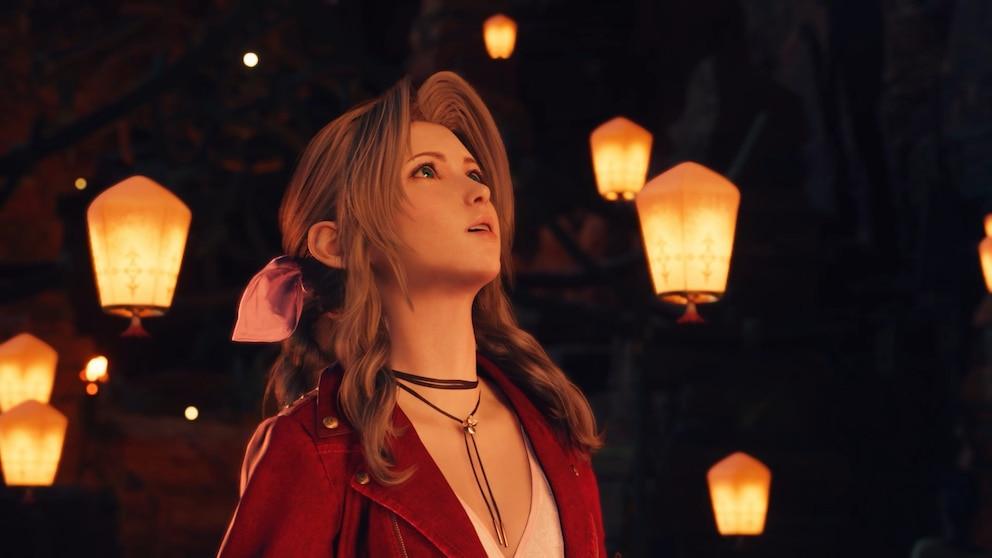
At a time when many studios have chosen to switch to Unreal Engine 5, the Final Fantasy VII Remake team decided to stay with Unreal Engine 4 due to the accumulated experience and customization achieved during years of development.Hamaguchi acknowledged that, although Unreal Engine 5 includes important improvements, it has also caused delays in other highly relevant projects, which is why they preferred to prioritize stability and the knowledge they already have of the current engine.
The team made numerous modifications to the standard engine to adjust it to the specific needs of the trilogy and ensure the best performance on target platforms, including the Nintendo Switch 2. This reduces technical risks and likely provides players with a more polished experience that is less susceptible to unforeseen errors.
For fans and the general public, the decision to maintain existing technology and move quickly in development represents a shorter wait compared to other large-scale titles.This approach, along with the experience gained in the previous two games, gives Square Enix a clearer and more predictable roadmap, something rare in projects of this magnitude.Despite little documentation remaining from the original 1997 development, the team has managed to avoid most of the delays common in today’s industry.
Many fans appreciate the effort to preserve quality and aesthetic fidelity, although some express some caution due to the lack of concrete information about the outcome and possible creative twists in the third installment.Until now, the secrecy regarding the title and the narrative elements maintains the public’s interest and fuels debates and speculations in specialized communities.The adaptation for Nintendo Switch2 can also have a positive impact by expanding player access to a renewed saga, considered by many to be a benchmark in the history of video games.

