



In the last few hours, Indian health officials confirmed five cases of Nipavirus infection in the state of West Bengal, near Calcutta.The first infection was detected among health workers at the private Narayana Multispecialty hospital, located about 24 kilometers north of the city.
The outbreak includes a doctor, a nurse and another health worker.According to authorities, the first two infections were recorded in nursing staff at the private medical center before the New Year, which triggered epidemiological alerts.
The appearance of these cases generated concern among both the population and health organizations, due to the high fatality rate associated with the virus and the lack of specific treatments or approved vaccines.
The Nipah virus is transmitted mainly from fruit bats, common in both urban and rural areas of the country.It can also spread through infected pigs and, to a lesser extent, through direct contact between people.
According to the West Bengal Health Department, one of the nurses remains in a critical condition and in a coma for several days.Both nurses developed high fever and respiratory complications.The patient who would have caused the infection died before tests were carried out.
In that sense, according to the Press Trust of India agency, the authorities isolated 20 high-risk contacts and tested 180 people.
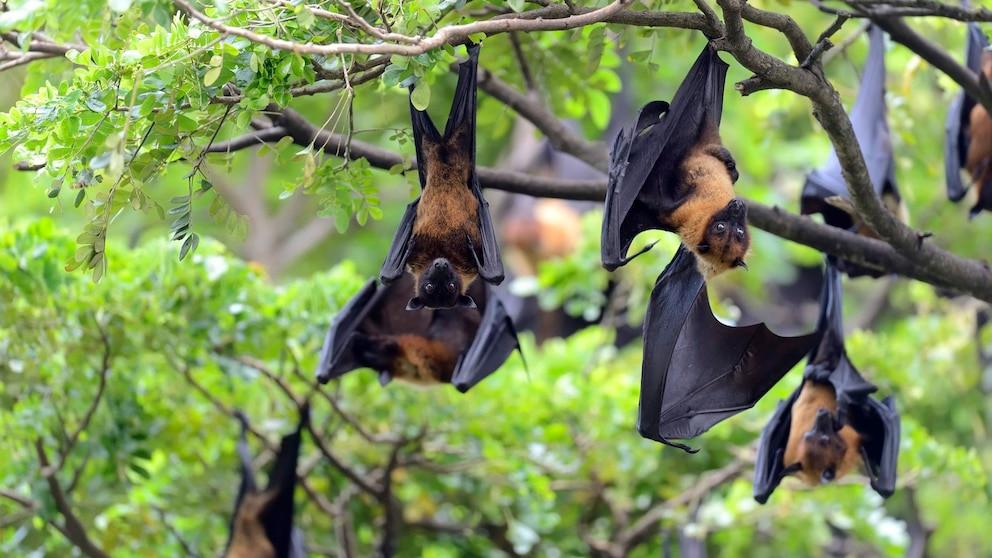
The Nipah virus belongs to the henipavirus family and is considered a priority threat, according to the World Health Organization (WHO).The infection may be asymptomatic in the first phase, but in a few days it evolves into severe respiratory failure and encephalitis.The most common symptoms include fever, headache, muscle aches, vomiting, and sore throat.In severe cases, encephalitis can cause coma within 24 to 48 hours.
According to%20according%20with%20the%20WHO,%20the%20rate%20of%20lethality%20ranges%20between%20the%2040%%20and%20the%2075%.%20No%20treatments%20antivirals%20nor%20vaccines%20approved%20for%20humans%20or%20animals.The%20international%20entity%20considers%20urgent%20the%20development%20of%20therapies%20and%20prevention%20measures%C3%B3n.
Likewise, the risk of spread increases in contexts where people and wild animals interact frequently, which favors the transmission of zoonotic diseases.
Nipah virus was first detected in 1999, during an outbreak among pig farmers in Malaysia and Singapore.Since then, India and Bangladesh have recorded sporadic episodes, especially in southern India.The state of Kerala has reported dozens of deaths since 2018.
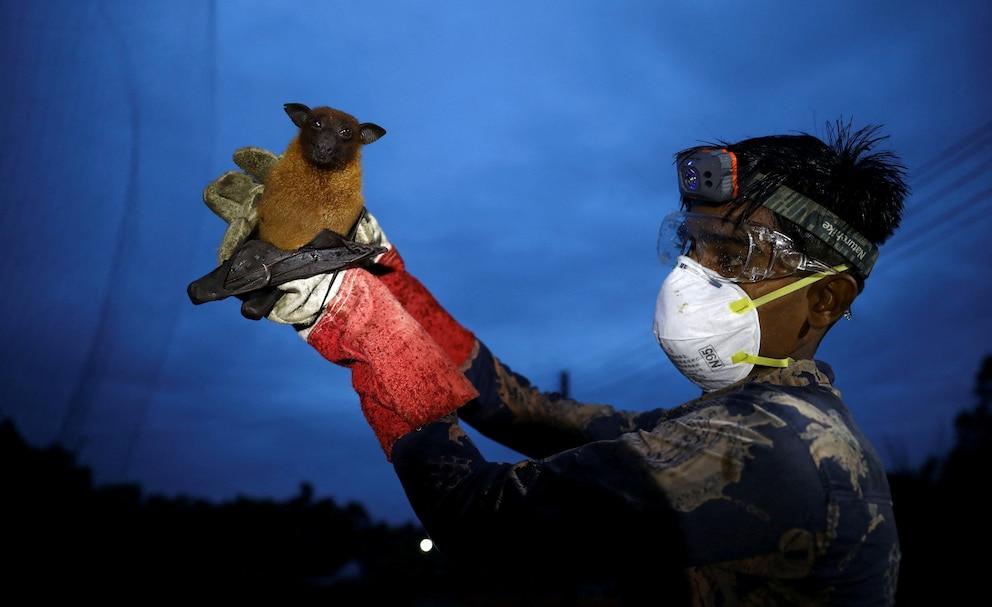
Health authorities in West Bengal implemented isolation and contact tracing protocols.Health personnel use special protective equipment to reduce the risk of contagion.In addition, surveillance was intensified in hospitals and communities near Calcutta, with the aim of detecting possible additional cases early.
Dr. Rajeev Jayadevan, former president of the Indian Medical Association in Cochin, highlighted that human infections remain rare and are mainly associated with contact with bats or consumption of contaminated food.“The risk of infection decreases if exposure to pigs and bats is avoided and raw palm sap is not consumed,” he explained.
The WHO warns that environmental factors and the invasion of natural habitats increase the probability of the emergence of new diseases of animal origin.In recent years, outbreaks such as Nipah have generated concern among experts, who point out the need to improve surveillance and international cooperation to prevent episodes similar to Covid-19.
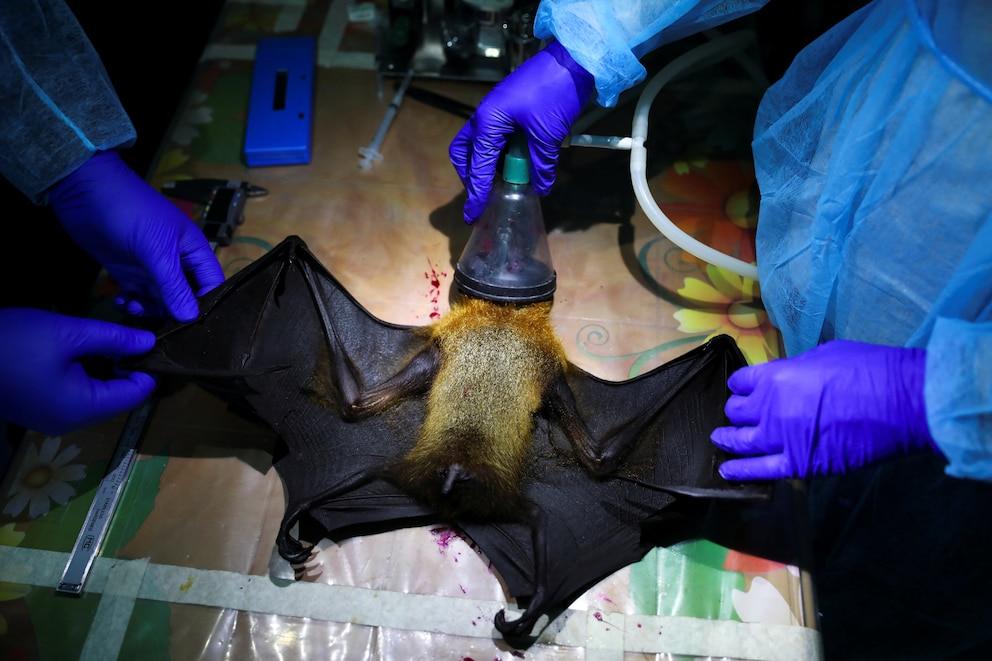
India has faced cases of Nipah almost every year for more than two decades. The current outbreak joins a series of episodes in the region, with serious consequences for public health.According to The Telegraph, the nurse in critical condition was infected while caring for a patient with severe respiratory symptoms.The death of that patient prevented confirmation of the original diagnosis.
Experts insist on the importance of early detection and rapid response to stop the spread of the virus.Nipah has not been reported in the United Kingdom nor are there any cases associated with international travel.Epidemiological surveillance and investigation of possible sources of infection are key to containing the expansion.
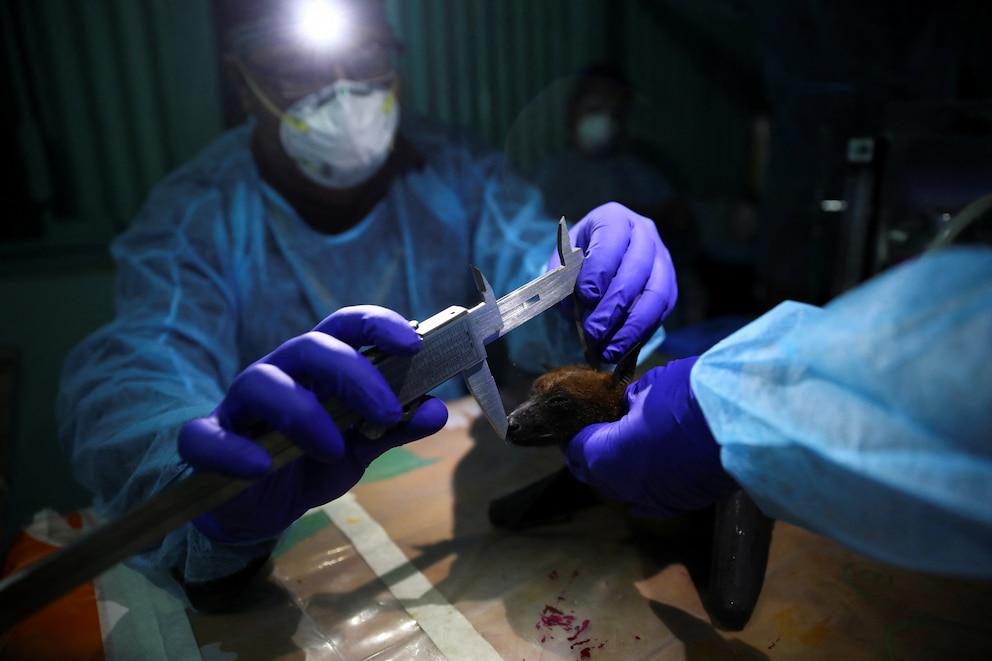
The outbreak in West Bengal comes at a time of growing concern about diseases being transmitted from animals to humans.The impact of Nipah highlights the vulnerability of health systems to viruses without available treatment.The WHO and other international organizations emphasize the need to strengthen vaccine research and development.
Nipah, West Bengal and World Health Organization appear for the first time in this text.The highlighted high-impact fragments are: high lethality of the virus and the absence of a cure or vaccine, severe symptoms of respiratory failure and encephalitis, vulnerability of health systems to viruses without available treatment.
Meanwhile, international organizations warn that the advancement of cities and the increasingly frequent contact between people and wildlife increase the risk of the appearance of zoonotic diseases.In this context, the current outbreak once again puts on the agenda the importance of early detection, rapid response and health coordination at the international level.
For now, health authorities reported that no cases linked to international travel or infections outside the Asian subcontinent were recorded.

