


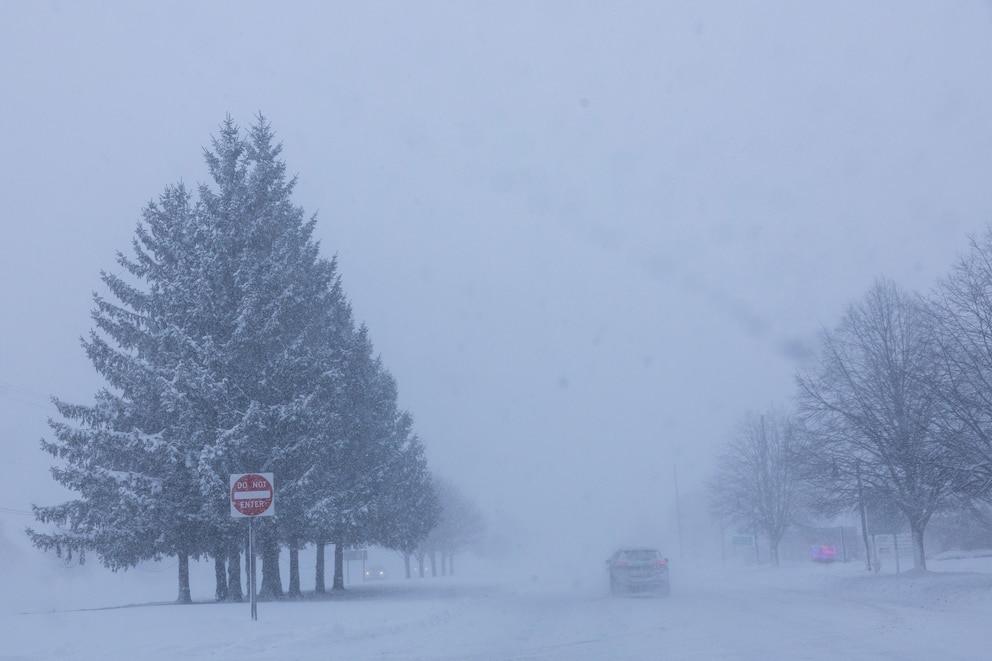
The United States is going through one of the most intense and extensive cold waves in recent decades, with almost 30 states with continuous alerts for snow, freezing rain andextreme temperatures below zero.
The phenomenon advanced from the Rocky Mountains and the Great Plains to the East Coast, with direct impacts on transportation, electricity supply and the daily lives of millions of people.At first glance, the scene appears to clash with a widely documented climate trend: winters became warmer on average.
However, climate science offers precise clues to understand why such a severe cold episode was possible on a planet that records temperature records year after year.
The answer is not based on a single cause, but on the superposition of processes that act at different scales, from the Arctic to the jet stream that governs the climate of the mid-latitudes.
Specialists in meteorology and global climate agree that this storm does not contradict global warming, but rather fits within an altered atmospheric system, more variable and with less frequent but potentially more intense extremes.
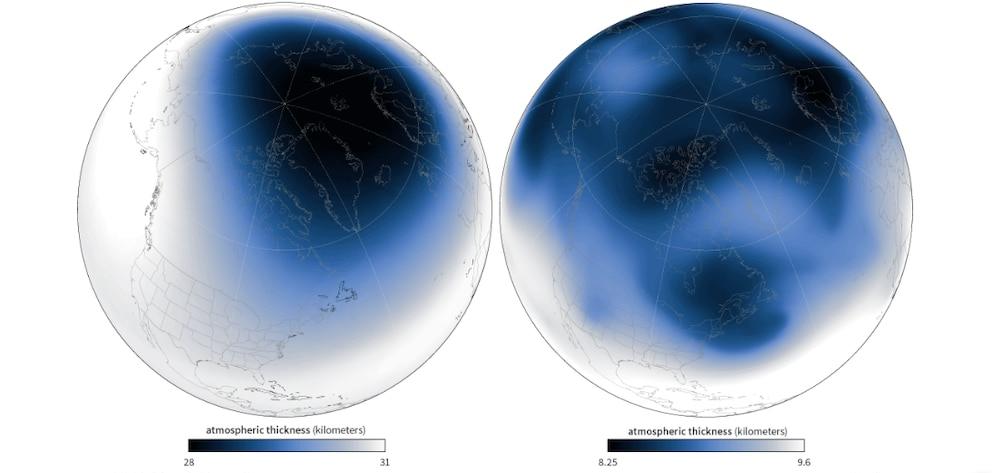
The first key scientific data is found in the behavior of the polar vortex. This system consists of a vast wall of winds that rotates around the North Pole and maintains the air.coldest confined to high latitudes during the boreal winter.
When its structure remains compact and stable, extreme cold rarely reaches densely populated regions.On this occasion the opposite happened.
A series of deep ripples in the upper atmosphere stretched the vortex and allowed lobes of Arctic air to descend toward the United States.This displacement explained the arrival of temperatures well below zero in areas that do not usually experience such persistent cold.
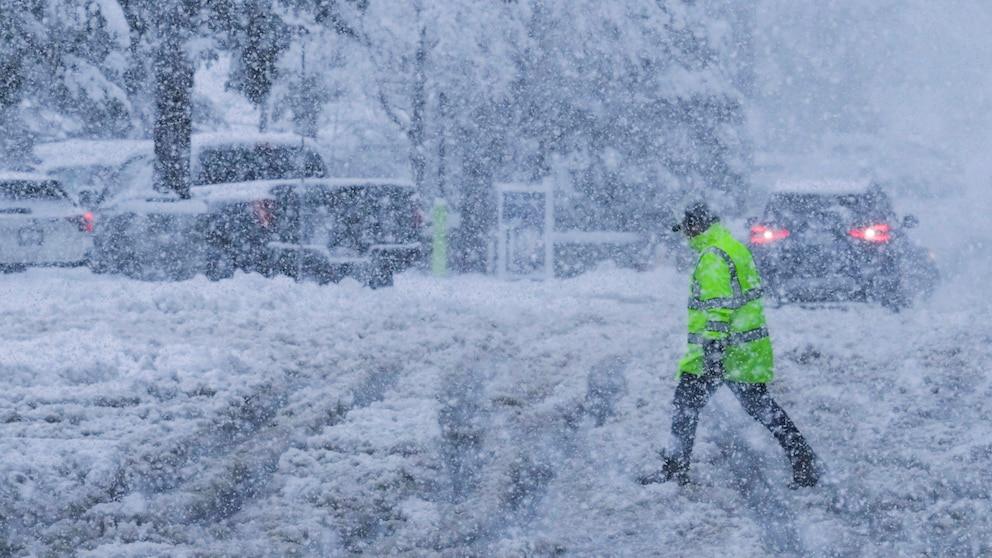
The US National Weather Service warned of “potentially deadly cold air,” an expression that summarizes the health risk associated with hypothermia and frostbite.
The magnitude of the event surprised even experts accustomed to monitoring winter storms.“The fact that we have approximately 2,900 kilometers of uninterrupted weather alerts from Arizona to the East Coast demonstrates the magnitude of this storm,” Matthew Cappucci, MyRadar meteorologist, told PBS, American public television.
This geographic continuity reflects a large-scale atmospheric pattern, more typical of winters from past decades than recent climate.
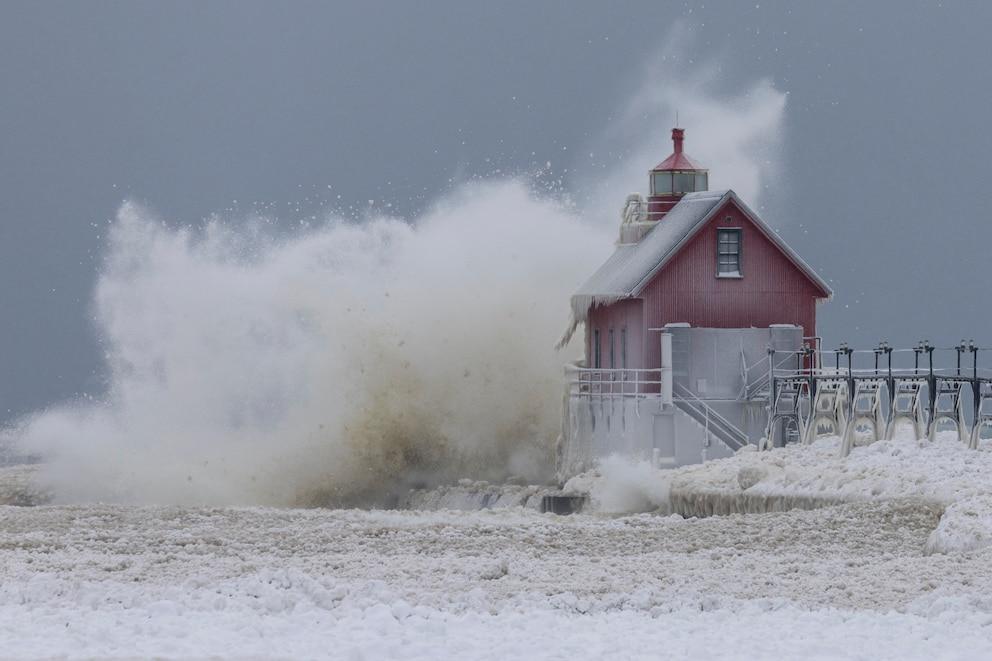
The second scientific fact points to the remote origin of this polar wave: the Arctic. Temperatures in that region increased at a much higher rate than the global average, with an accelerated loss of sea ice.This change altered the thermal contrasts that sustain the atmospheric circulation of the northern hemisphere.
Judah Cohen, a research scientist at MIT and a winter climate specialist, explained that reduced ice in seas such as the Barents and Kara played a central role in the increased variability of the polar vortex.
“There is clearly a strong relationship between stretched vortex events and extreme winter weather here in the US,” he said.According to their analysis, a warmer Arctic added energy to the system and facilitated configurations that allow cold air to escape southward.
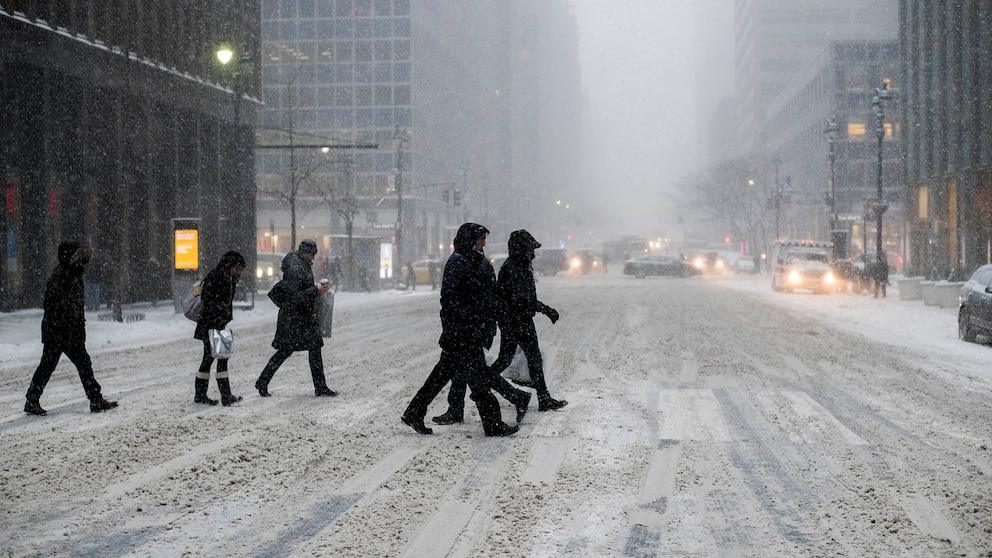
The records support this reading.Arctic sea ice reached its lowest extent for this time of year, a fact that scientists consider relevant to anticipate winters with more erratic behavior.
Although not all extreme cold events can be directly attributed to climate change, Cohen summarized the scenario with a clear metaphor.
“I am not saying that any particular meteorological event is due to climate change, but I do believe that the dice have been loaded here,” he said.
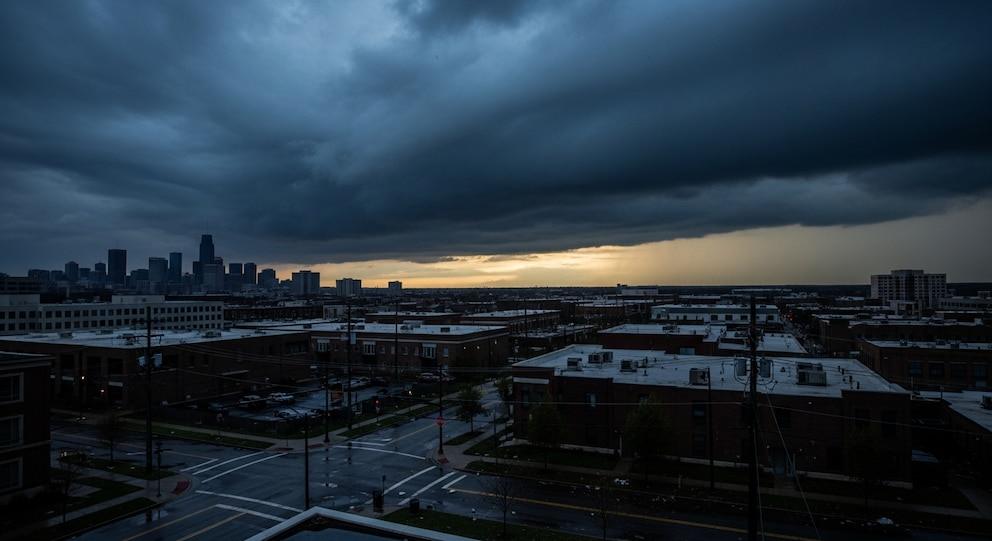
The third scientific fact helps to understand why this polar wave not only brought cold, but also intense snowfall and extensive strips of ice.A warmer atmosphere retains more water vapor.When polar air manages to advance toward mid-latitudes and encounters that moisture, the result can be a large-scale winter storm.
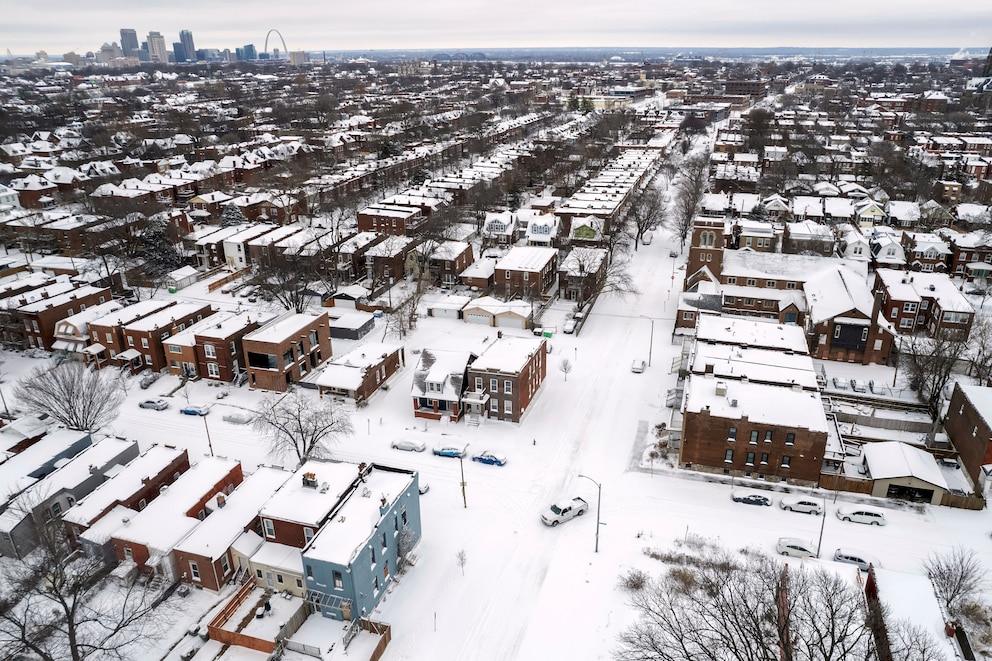
In this episode, the collision between the Arctic air mass and the warm, humid air coming from the Gulf of Mexico and the Pacific generated ideal conditions for snow and freezing rain.Southern states, less accustomed to this type of phenomena, faced frozen roads and ice-covered power lines.
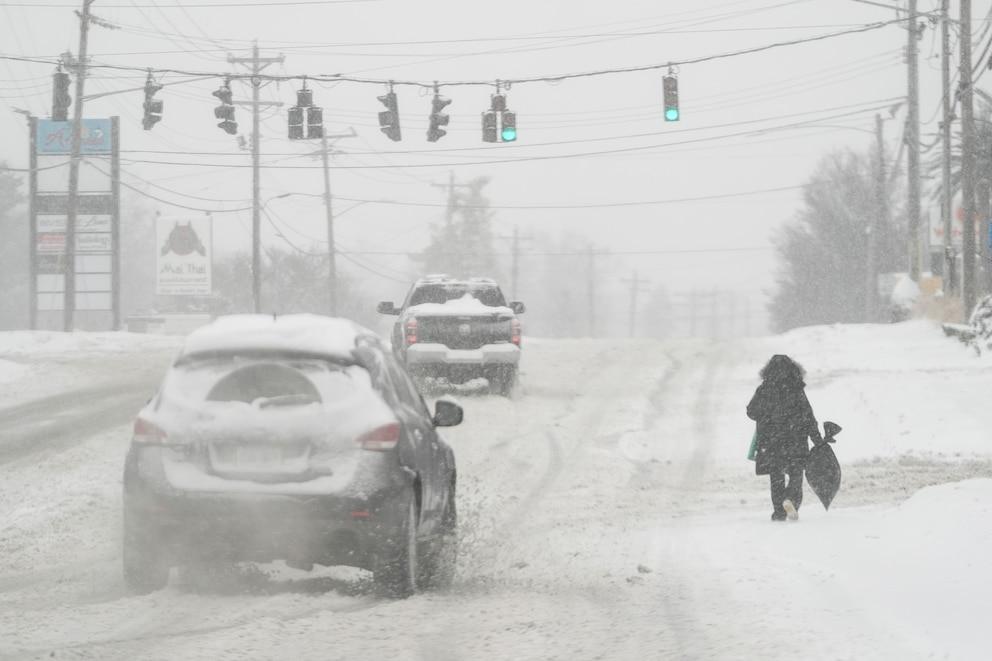
The US National Weather Service warned of accumulations capable of causing widespread power outages and significant damage to trees and infrastructure.“These subzero temperatures will pose a deadly risk of hypothermia and frostbite to exposed skin,” the agency warned.
The message reflects how the impact of these storms does not depend only on the cold, but on the combination of variables that amplify their effects.
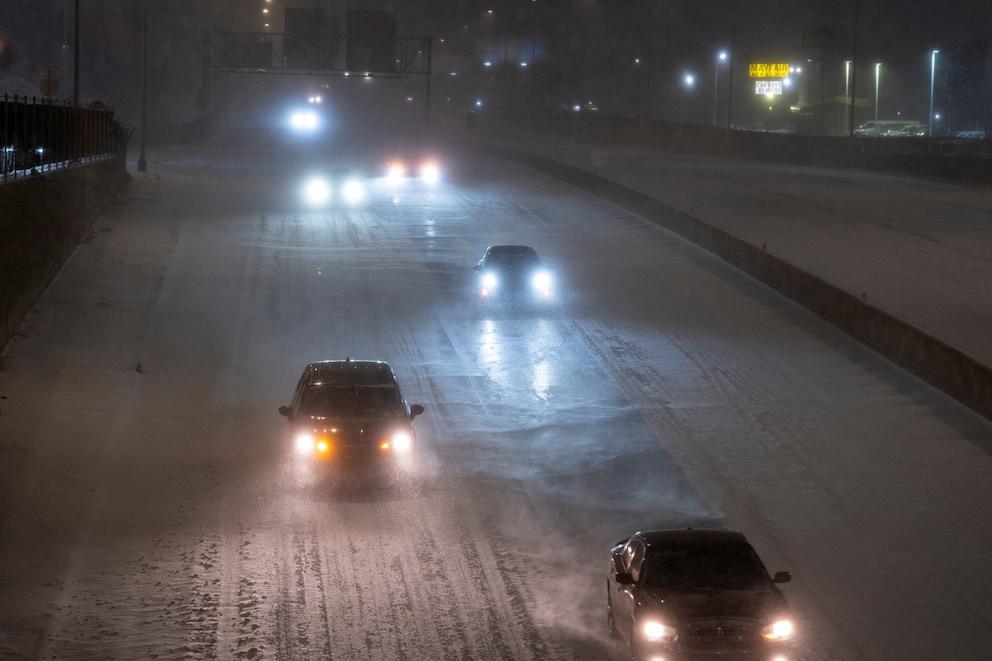
The fourth scientific fact introduces an apparent paradox.Over the long term, cold snaps in North America became less frequent and less extreme.
The data shows that warm temperature records far exceeded cold ones in recent decades, even during winter.In cities like Minneapolis and Cleveland, the average annual minimum temperature has risen more than six degrees Celsius since the 1970s.
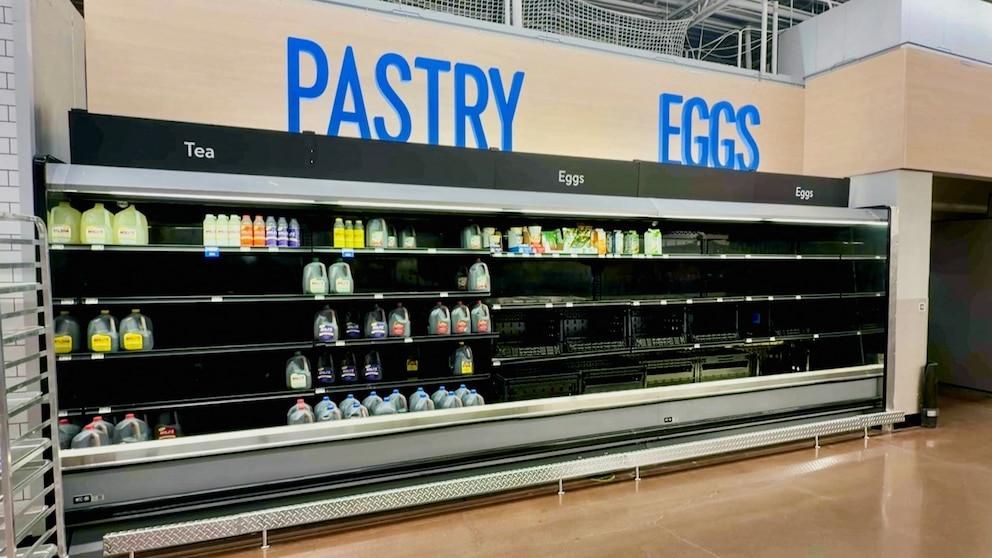
This sustained warming reduces the probability of episodes like the current one, but does not eliminate them.When they occur, they can be more disruptive because societies and infrastructures have adapted to a less severe climate.Power grids, transportation systems and homes face greater risks from cold that is no longer part of the usual experience.
Jennifer Francis, a researcher at the Woodwell Climate Research Center, highlighted this complexity by pointing out that global warming does not act linearly.
“Although global warming is causing warmer winters overall, harsh winter weather events remain possible—and perhaps even more likely—because warming is not the only consequence of human-caused climate change.
“Other ingredients that set the stage for extreme winter weather are on the rise, and many of them are in play this week,” he said.
The fifth scientific fact connects all the previous ones and offers an overall look.The current climate system shows greater variability, with patterns that move away from the stability that characterized much of the 20th century.
Changes in the jet stream, in the distribution of sea ice and in atmospheric circulation favor extreme configurations, both hot and cold.
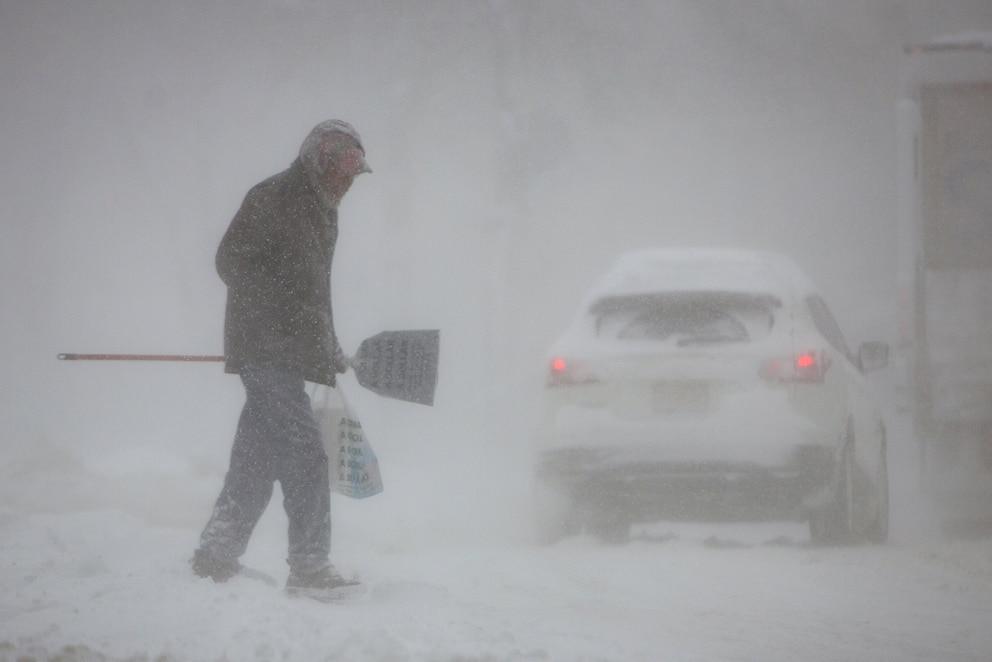
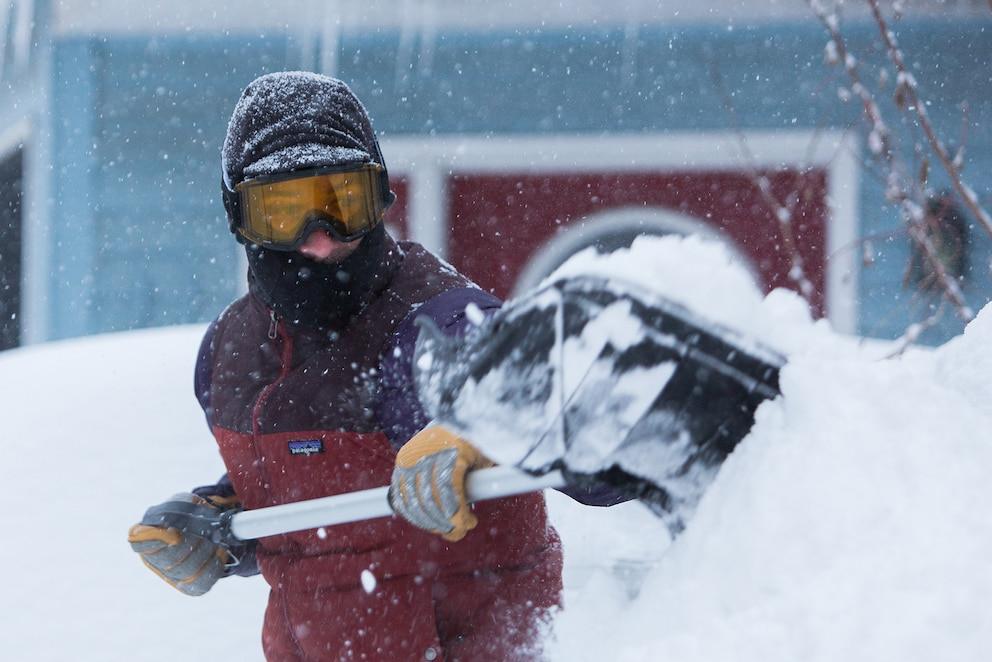
The winter storm that the United States is going through exposed this new dynamic. Nearly 200 million people were under some type of alert, with snowfall that exceeded 30 centimeters in large regions and thermal sensations that fell below –46 degrees Celsius in the northern plains.
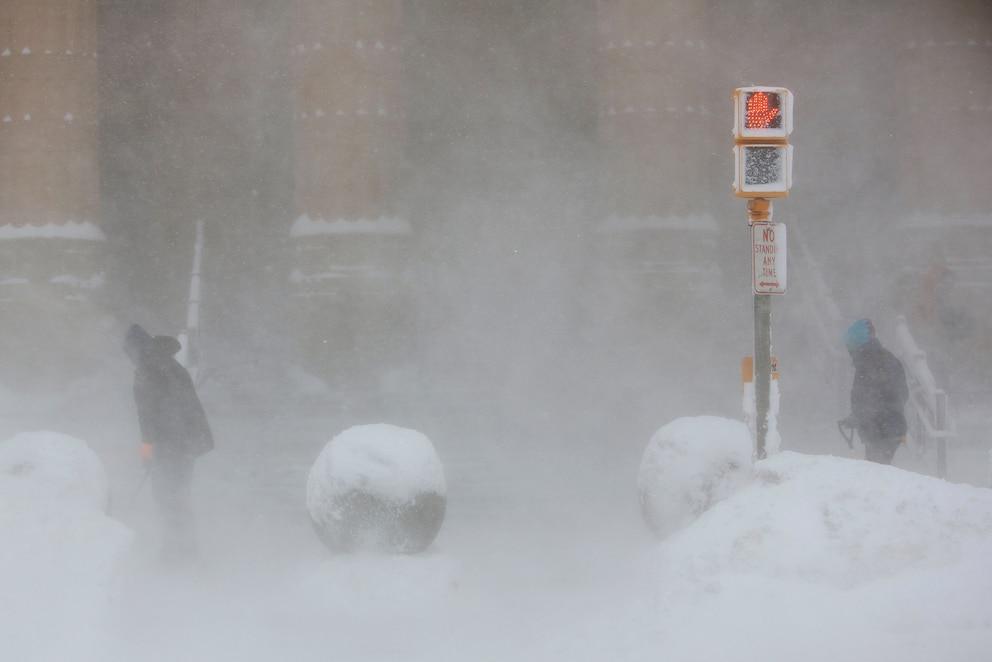
In parallel, large cities face massive flight cancellations and warnings from transportation authorities.
For scientists, the challenge is to communicate that these events do not contradict global warming, but are part of a more complex and less predictable climate.
Amy Butler, an atmospheric scientist at NOAA, explained that there is still uncertainty about how the polar vortex will evolve in the future.“There are many factors that can alter the intensity of the polar vortex,” he said, including sea ice and warming of the upper layers of the atmosphere.
The underlying trend, however, is clear.Cold extremes are decreasing in frequency, but snow and ice are still present and pose significant challenges.In the western United States, for example, snowmelt provides much of the water supply, adding another layer of complexity to changes in winter storms.
The current polar wave will remain a reminder that climate change does not eliminate winter, but transforms it.In a context of rising global temperatures, extreme cold becomes less common, but when it appears it does so in a scenario loaded with energy and humidity, with amplified impacts.
Understanding these five scientific keys is essential to anticipate risks, adapt infrastructures and understand that global warming does not mean a uniform climate, but rather an increasingly challenging one.

